
America’s national parks are among the country’s greatest natural treasures, offering breathtaking landscapes, remarkable wildlife, and opportunities to explore the outdoors. While destinations such as Yellowstone, Yosemite, and the Grand Canyon attract millions of visitors, many equally fascinating national parks remain relatively unknown. Hidden among remote mountains, ancient forests, peaceful wetlands, and expansive deserts, these overlooked destinations offer travelers a different perspective on America’s natural beauty.
For visitors seeking quiet surroundings, extraordinary scenery, and meaningful connections with nature, lesser-known national parks provide unforgettable experiences far from the busiest tourist destinations.
Discovering America’s Overlooked Natural Wonders
The United States has an extraordinary variety of natural environments, ranging from snowy mountain peaks and dense forests to dry deserts and coastal wetlands. Its national park system protects many of these landscapes, preserving their ecological and geological importance for future generations.
However, public attention often focuses on a handful of internationally famous parks. Many smaller or more remote destinations receive considerably fewer visitors despite offering exceptional natural attractions.
Exploring these overlooked parks allows travelers to experience environments that feel peaceful and relatively untouched. Instead of crowded viewpoints and busy parking areas, visitors may encounter quiet hiking trails, secluded valleys, and expansive landscapes where wildlife moves freely.
These experiences highlight the importance of looking beyond familiar travel destinations.
Great Basin National Park: Ancient Trees and Mountain Landscapes
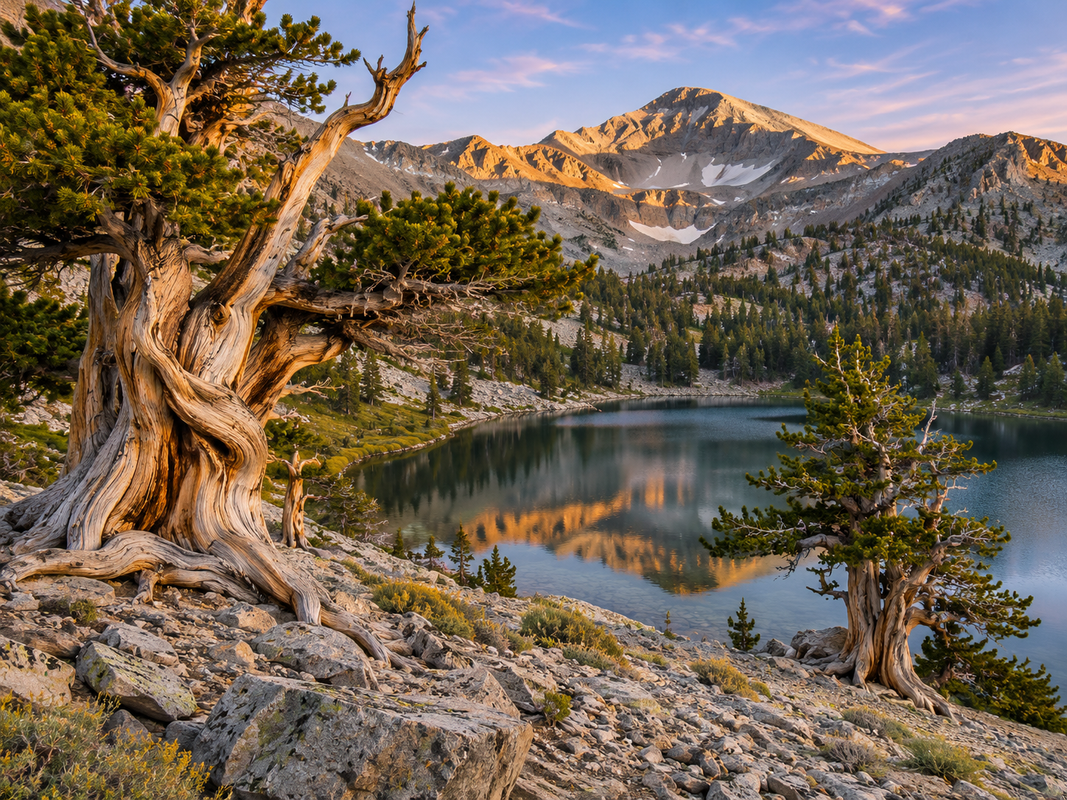
Located in eastern Nevada, Great Basin National Park is one of America’s most fascinating yet frequently overlooked natural destinations.
The park features an impressive combination of desert terrain, alpine forests, mountain peaks, and underground caves. Its diverse landscape provides visitors with an opportunity to explore several distinct environments within a relatively small geographical area.
One of the park’s most extraordinary features is its ancient bristlecone pine forest. These remarkable trees can survive for thousands of years, enduring harsh weather conditions, poor soil, and extreme temperatures.
Their twisted branches and weathered trunks tell a story of resilience across centuries of environmental change.
Visitors can also explore Wheeler Peak, which rises above the surrounding landscape and provides spectacular mountain views. Nearby alpine lakes reflect the surrounding peaks, creating peaceful settings for hiking and photography.
Another attraction is Lehman Caves, where visitors can discover intricate limestone formations created through natural geological processes.
North Cascades National Park: Washington’s Mountain Wilderness
North Cascades National Park, located in northern Washington, offers some of the most dramatic mountain scenery in the United States.
Its landscape consists of rugged peaks, glaciers, deep valleys, waterfalls, and dense evergreen forests. The region’s distinctive terrain creates an environment that feels both beautiful and remote.
The park is particularly appealing to hikers and outdoor enthusiasts seeking challenging adventures.
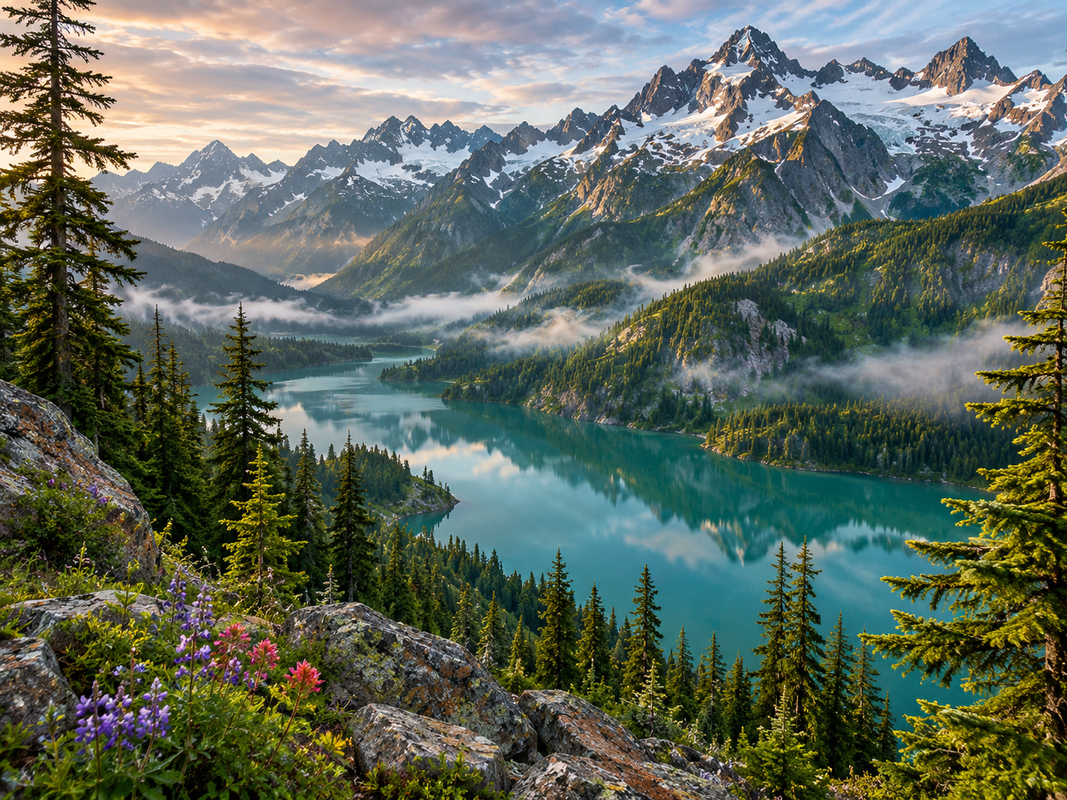
Numerous trails travel through forests, mountain passes, and alpine environments, offering opportunities to observe wildflowers, glacial formations, and wildlife.
During warmer months, melting snow feeds rivers and waterfalls, while mountain lakes reflect the surrounding landscape.
Because portions of the park are difficult to access, visitors often experience a stronger sense of wilderness than they might find in more developed destinations.
The North Cascades demonstrate the extraordinary beauty of America’s mountainous regions and the importance of preserving these fragile environments.
Congaree National Park: South Carolina’s Ancient Forest
Unlike national parks famous for towering mountains or dramatic rock formations, Congaree National Park in South Carolina protects an extraordinary forest ecosystem.
The park contains one of the most significant remaining examples of old-growth bottomland hardwood forest in the southeastern United States.
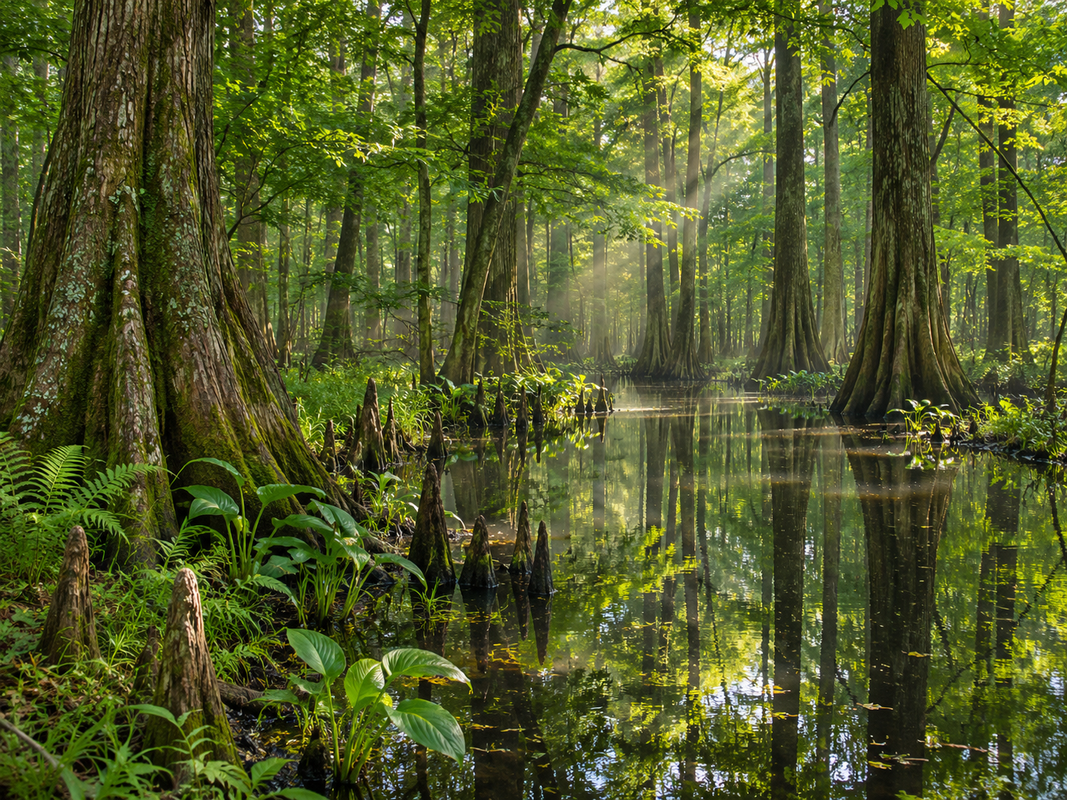
Its towering trees, wetlands, and waterways support an impressive diversity of plant and animal life.
Visitors exploring the forest may encounter birds, turtles, amphibians, and numerous insect species that depend on its unique environmental conditions.
One of the most accessible ways to discover the park is through its elevated boardwalk, which allows visitors to walk through portions of the forest while observing the surrounding vegetation and waterways.
The peaceful atmosphere is especially memorable during early morning hours when sunlight filters through the trees and reflects across the water.
Congaree offers a reminder that natural beauty does not always require dramatic landscapes. Sometimes, it can be found in the quiet complexity of a healthy forest.
Guadalupe Mountains National Park: Exploring Ancient
Geological History
Located in western Texas, Guadalupe Mountains National Park offers visitors a remarkable journey through geological time.
The park preserves part of an ancient fossil reef system that developed hundreds of millions of years ago when the region was covered by a shallow sea.
Today, the landscape features rugged mountains, limestone cliffs, desert vegetation, and diverse ecosystems.
Guadalupe Peak, the highest natural point in Texas, attracts hikers interested in reaching its summit and enjoying expansive views of the surrounding wilderness.
The park also contains forested canyons that provide a surprising contrast to the dry landscape of the surrounding desert.
For visitors interested in geology, ecology, and outdoor exploration, Guadalupe Mountains offers an opportunity to understand how natural processes shape landscapes over immense periods of time.
The Importance of Protecting Lesser-Known National Parks
Although these destinations receive less publicity than America’s most famous parks, their environmental importance is equally significant.
National parks protect wildlife habitats, preserve rare plant species, maintain natural ecosystems, and provide opportunities for scientific research.
They also contribute to environmental education by helping visitors understand the relationships between landscapes, climate, and biodiversity.
Responsible tourism plays an essential role in their preservation.
Visitors can help protect these environments by staying on designated trails, respecting wildlife, properly disposing of waste, and following park regulations.
Careful preparation is particularly important when exploring remote parks, where weather conditions and limited facilities may create additional challenges.
A Different Way to Experience America’s Natural Beauty
America’s lesser-known national parks reveal a side of the country that many travelers never experience.
From Nevada’s ancient bristlecone pines to Washington’s glaciated mountains, South Carolina’s remarkable forests, and Texas’s geological wonders, these destinations demonstrate the extraordinary diversity of the American landscape.
They offer opportunities not only for adventure but also for reflection, education, and appreciation of the natural world.
For travelers willing to explore beyond the most popular destinations, these national parks provide experiences that are both memorable and meaningful.
Their quiet beauty reminds us that some of America’s greatest natural treasures are still waiting to be discovered.
Discovering Nature Beyond the Famous Destinations
The United States is home to an impressive variety of protected landscapes, each preserving a different part of the country’s natural heritage. However, public attention often concentrates on a relatively small number of famous destinations.
Lesser-known national parks provide an opportunity to discover environments that may be just as beautiful but receive considerably less publicity.
These places appeal to travelers interested in hiking, photography, wildlife observation, and learning about the natural world. Many also provide a greater sense of solitude, allowing visitors to appreciate their surroundings without the distractions associated with heavily visited tourist attractions.
Exploring these parks is not simply about finding an alternative vacation destination. It is also about understanding the diversity of American landscapes.
Great Basin National Park: Nevada’s Mountain Wilderness
Located in eastern Nevada, Great Basin National Park offers an extraordinary combination of desert landscapes, alpine forests, ancient trees, and fascinating underground formations.
One of its most remarkable attractions is its population of bristlecone pine trees, among the longest-living trees on Earth. Some have survived for thousands of years in harsh mountain environments.
Visitors can explore trails around Wheeler Peak, enjoy peaceful alpine lakes, and discover the impressive formations inside Lehman Caves.
The park’s relatively remote location also provides excellent opportunities for observing the night sky. Away from the bright lights of major cities, visitors can experience remarkable views of stars and celestial objects. Cục Công viên Quốc gia Mỹ+1
North Cascades National Park: Washington’s Alpine Landscape
In northern Washington, North Cascades National Park protects one of the country’s most dramatic mountain environments.
Its rugged peaks, deep valleys, dense forests, and glacial landscapes create scenery that changes throughout the seasons.
The larger North Cascades National Park Service Complex contains more than 300 glaciers, making it one of the most heavily glaciated regions in the contiguous United States.
Hiking trails lead through forests and toward mountain viewpoints, providing opportunities to observe waterfalls, wildflowers, and wildlife.
For travelers who enjoy outdoor adventure, the North Cascades demonstrate how beautiful and challenging America’s mountain wilderness can be. Cục Công viên Quốc gia Mỹ
Congaree National Park: A Living Forest in South Carolina
Unlike parks known for towering mountains or dramatic canyons, Congaree National Park offers a different kind of natural experience.
The park protects the largest intact expanse of old-growth bottomland hardwood forest remaining in the southeastern United States.
Its towering trees, wetlands, and waterways create a rich ecosystem supporting numerous species of birds, insects, amphibians, and other wildlife.
A wooden boardwalk provides a convenient way to explore portions of the forest while observing its distinctive environment.
Visitors can also experience the park through hiking and paddling, discovering the important relationship between rivers, floodplains, and surrounding forests. Cục Công viên Quốc gia Mỹ+1
Guadalupe Mountains National Park: A Journey Through Geological History
Situated in western Texas, Guadalupe Mountains National Park reveals an extraordinary geological history.
The mountains preserve evidence of an ancient marine reef system formed during the Permian Period, long before the landscapes of modern North America existed.
Today, the region features desert vegetation, limestone cliffs, mountain trails, and surprisingly diverse habitats.
Guadalupe Peak, the highest natural point in Texas, rises approximately 8,751 feet above sea level.
The park attracts hikers interested in challenging trails and visitors curious about the geological processes that shaped the American Southwest. Cục Công viên Quốc gia Mỹ+2
Why Lesser-Known Parks Deserve Greater Attention
Beyond their scenic beauty, these national parks play an important role in environmental conservation.
They protect habitats, preserve geological formations, support scientific research, and provide opportunities for environmental education.
They also encourage visitors to explore regions that may otherwise receive limited attention from the tourism industry.
However, less famous does not always mean easier to visit. Some parks have limited infrastructure, seasonal road closures, challenging weather conditions, or remote wilderness areas requiring careful preparation.
Travelers should research transportation, accommodations, trail conditions, and park regulations before planning their trips.
Responsible exploration is especially important in fragile environments where even small disturbances can affect wildlife and natural habitats.
Finding Beauty in Unexpected Places
America’s national parks offer much more than the familiar landscapes featured in travel advertisements.
Some of the country’s most memorable natural experiences can be found in quiet forests, isolated mountain valleys, ancient geological formations, and remote desert environments.
These destinations remind travelers that natural beauty does not depend on popularity or international recognition.
Sometimes, the most rewarding journey begins by choosing a place that fewer people have considered visiting.
For those willing to explore beyond the country’s famous attractions, America’s lesser-known national parks offer a remarkable opportunity to experience the diversity, history, and enduring beauty of the natural world.
