
Every year, millions of animals undertake extraordinary journeys across oceans, deserts, forests, and mountain ranges. From birds flying thousands of miles between continents to whales traveling across vast stretches of ocean, animal migration is one of nature’s most remarkable phenomena. These seasonal movements allow species to find food, reproduce, escape harsh weather, and survive in changing environments.
Although humans have observed migrating animals for centuries, scientists are still discovering how different species navigate enormous distances with remarkable accuracy. Advances in tracking technology and biological research are revealing the complex mechanisms behind these journeys and highlighting the importance of protecting migration routes.
Understanding Why Animals Migrate
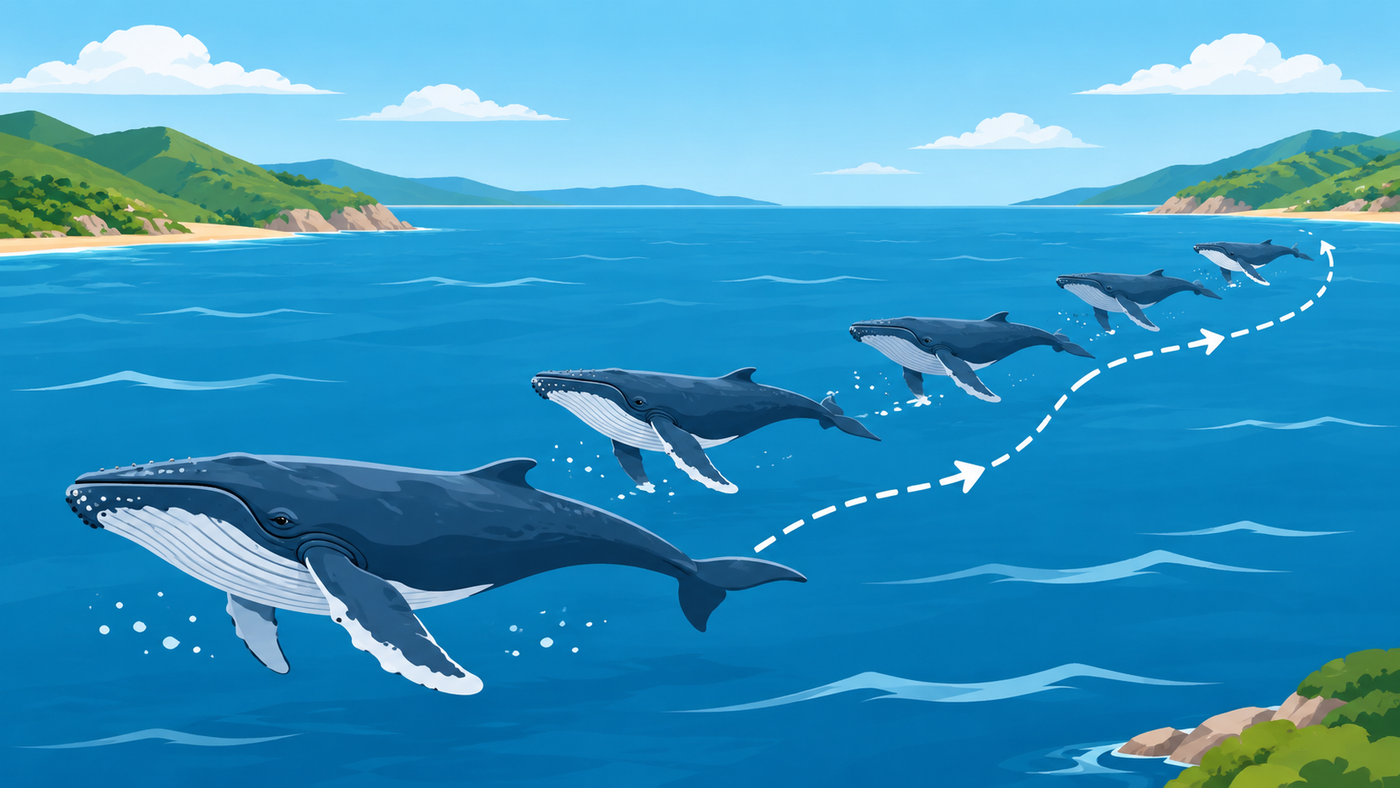
Animal migration refers to the regular movement of individuals or populations between different geographical areas, often following seasonal patterns.
Unlike ordinary daily movements, migration typically involves traveling substantial distances between habitats that serve different purposes.
Some animals migrate to reach breeding grounds, while others move in search of food or more favorable environmental conditions.
For example, many bird species spend the summer in northern regions where insects and other food sources become abundant. As temperatures fall and food availability decreases, they travel toward warmer areas.
Marine mammals may follow seasonal changes in ocean conditions, moving between productive feeding grounds and locations suitable for reproduction.
Migration patterns have developed over many generations through evolutionary processes that help animals respond to environmental opportunities and challenges.
The Extraordinary Journeys of Migratory Birds
Birds are among the most widely studied migratory animals because of their remarkable ability to travel between continents.
The Arctic tern is particularly famous for its extraordinary annual migration between Arctic breeding regions and waters near Antarctica.
These journeys can cover tens of thousands of kilometers, allowing the birds to experience extended periods of daylight across different seasons.
Other migratory species, such as swallows, shorebirds, and certain geese, regularly cross international borders and major geographical barriers.
Some birds fly over deserts, mountains, and open oceans where opportunities to rest or feed are limited.
Before beginning migration, many species accumulate additional body fat to provide energy during demanding flights.
Their bodies also undergo physiological changes that help support sustained movement.
Scientists study these adaptations to understand how birds manage energy, maintain direction, and survive difficult environmental conditions.
How Animals Navigate Across Vast Distances
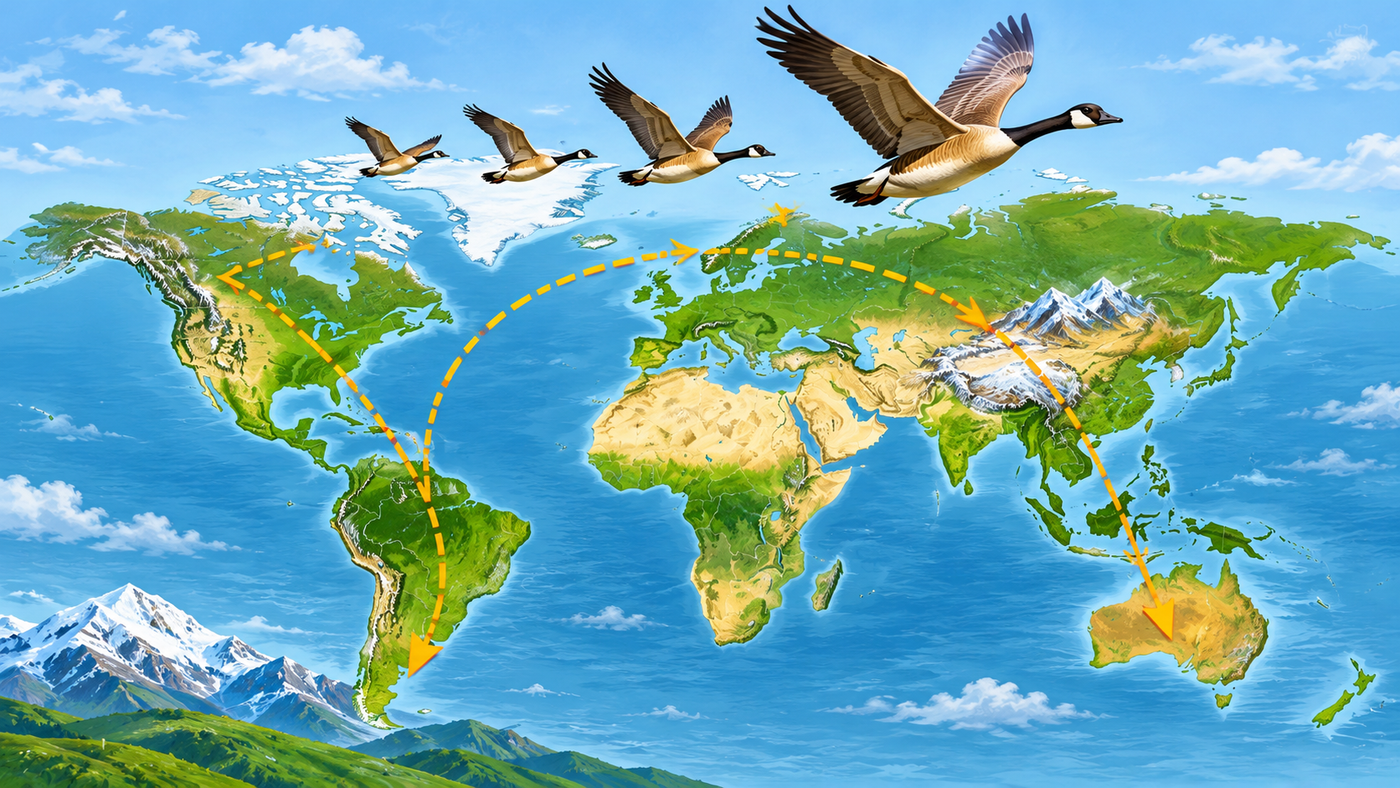
One of the most fascinating questions in migration research concerns navigation.
How can an animal travel thousands of miles and return to a particular breeding area without maps or human guidance?
Researchers have identified several mechanisms that help migratory species determine direction and location.
Some birds use the position of the sun during daylight and patterns of stars at night.
Others appear capable of detecting information associated with Earth’s magnetic field.
This ability, known as magnetoreception, may provide directional cues during long-distance travel.
Landmarks, coastlines, wind patterns, and environmental odors can also contribute to navigation.
Different species combine these sources of information in different ways.
Scientists continue investigating how animals integrate these signals and how young individuals develop the ability to follow migration routes.
Whale Migration Across the World’s Oceans
Migration is not limited to animals traveling through the air or across land.
Many whale species undertake remarkable seasonal journeys through the oceans.
Humpback whales, for example, commonly move between high-latitude feeding areas and warmer breeding regions.
During feeding seasons, they consume large quantities of krill and small fish in productive ocean environments.
When breeding seasons approach, many populations travel toward lower-latitude waters where mating and calving occur.
These migrations can extend across thousands of kilometers.
Unlike birds, whales navigate underwater, where visual landmarks may be limited and environmental conditions differ considerably from those at the surface.
Researchers believe that acoustic information, environmental cues, and possibly magnetic signals contribute to their movements.
Satellite tracking has helped scientists identify important whale migration corridors and better understand how marine environments influence travel patterns.
The Remarkable Migration of Monarch Butterflies
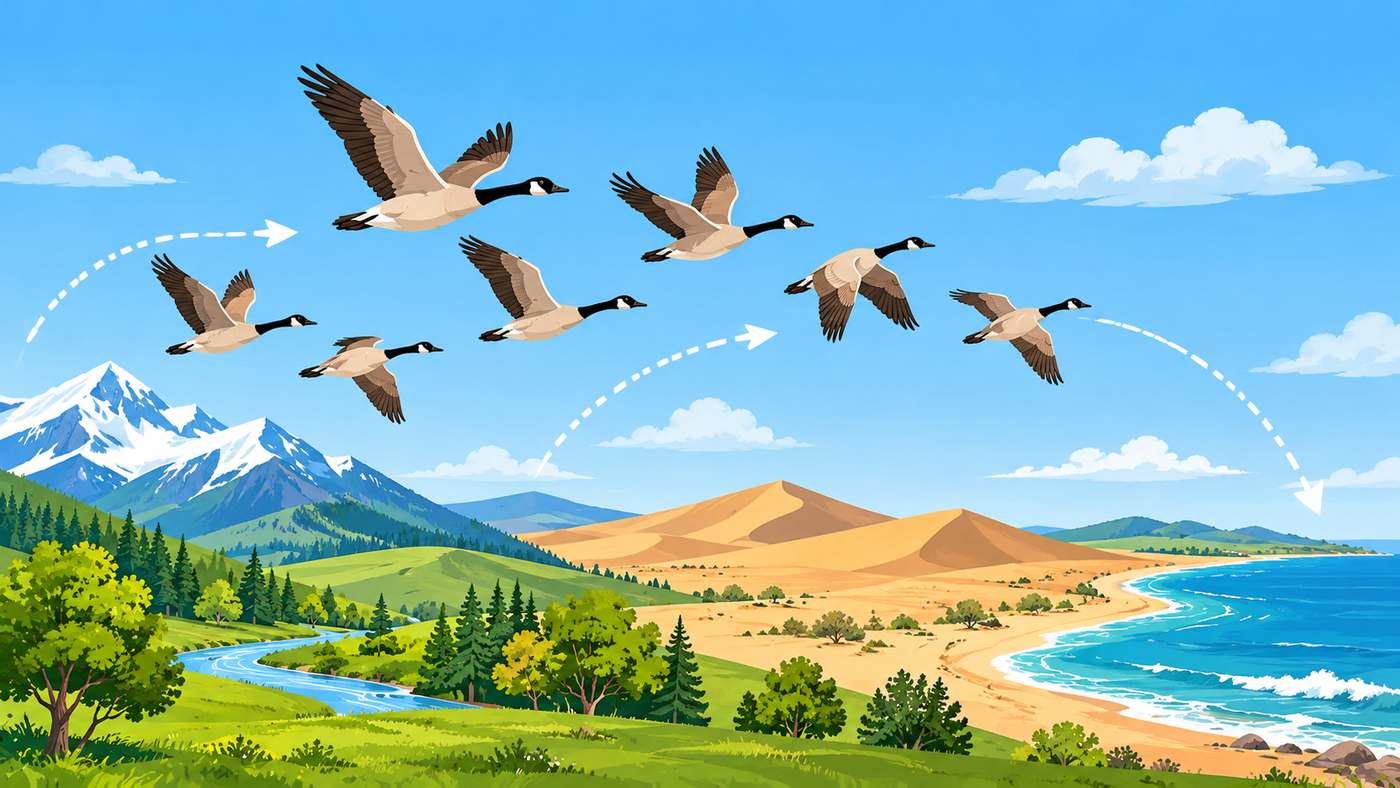
One of the most unusual migration stories involves the monarch butterfly.
In eastern North America, monarch butterflies travel southward toward overwintering sites in central Mexico.
The journey is remarkable because the butterflies completing the autumn migration have never visited those wintering sites before.
During warmer seasons, successive generations move northward as milkweed and other suitable habitats become available.
The entire annual cycle therefore involves multiple generations.
Monarch butterflies use environmental information, including sunlight and an internal biological clock, to maintain their migratory orientation.
Their dependence on specific habitats makes them especially vulnerable to environmental changes.
The availability of milkweed, which monarch caterpillars require for development, is essential for supporting their populations.
Protecting breeding habitats and overwintering forests is therefore an important part of monarch conservation.
The Role of Migration in Maintaining Ecosystems
Animal migration influences ecosystems far beyond the survival of individual species.
Migratory animals transport nutrients, disperse seeds, support food webs, and connect environments separated by enormous distances.
For example, migratory birds can contribute to seed dispersal as they move between habitats.
Large grazing mammals influence vegetation through seasonal feeding patterns and movement across landscapes.
Marine animals also participate in nutrient cycling by transporting biological material between different ocean regions.
Predators frequently depend on seasonal migrations as important sources of food.
These relationships demonstrate that migration is not simply a movement between two locations.
It is an ecological process that connects different habitats and helps maintain the functioning of natural systems.
How Scientists Track Animal Migration
Modern technology has transformed the study of migratory behavior.
In the past, researchers often relied on direct observation, bird banding, and records of animal sightings.
Today, satellite transmitters and GPS tracking devices allow scientists to monitor the movements of certain species across vast distances.
Small tracking instruments can record locations, movement patterns, and sometimes environmental conditions.
For birds too small to carry conventional satellite transmitters, researchers may use lightweight geolocators that estimate positions from recorded daylight patterns.
Acoustic monitoring systems also help track marine animals.
These technologies reveal migration routes, resting locations, feeding areas, and previously unknown behaviors.
The information supports conservation planning and helps researchers understand how animals respond to changing environmental conditions.
Climate Change and the Future of Migration
Climate change is creating new challenges for many migratory species.
Rising temperatures can alter seasonal patterns, influence food availability, and change the timing of biological events.
For example, some plants and insects may become active earlier in spring, potentially affecting the availability of food when migrating birds arrive.
Changes in ocean temperatures can also influence the distribution of marine prey.
Habitat loss, artificial lighting, pollution, and infrastructure development create additional challenges.
Migratory animals often depend on several habitats throughout their annual journeys.
Damage to one important breeding, feeding, or resting area can affect populations across entire migration routes.
Conservation efforts therefore require cooperation between regions and countries.
Protecting the World’s Great Animal Journeys
The future of animal migration depends on preserving the natural environments that support these extraordinary movements.
Protecting wetlands, forests, grasslands, coastal areas, and marine habitats can help ensure that migratory species have access to essential resources.
Wildlife corridors can also allow animals to move more safely through landscapes affected by roads, cities, and agricultural development.
International conservation agreements play an important role because many migratory species cross national boundaries.
Scientists, environmental organizations, and local communities continue working together to identify important habitats and reduce threats.
Ultimately, animal migration demonstrates the remarkable connections that exist throughout the natural world.
From Arctic terns crossing oceans to monarch butterflies traveling across North America, these journeys reveal the extraordinary abilities of living organisms.
As scientific research continues, understanding migration will remain essential for protecting biodiversity and preserving one of nature’s most fascinating processes for future generations.
