
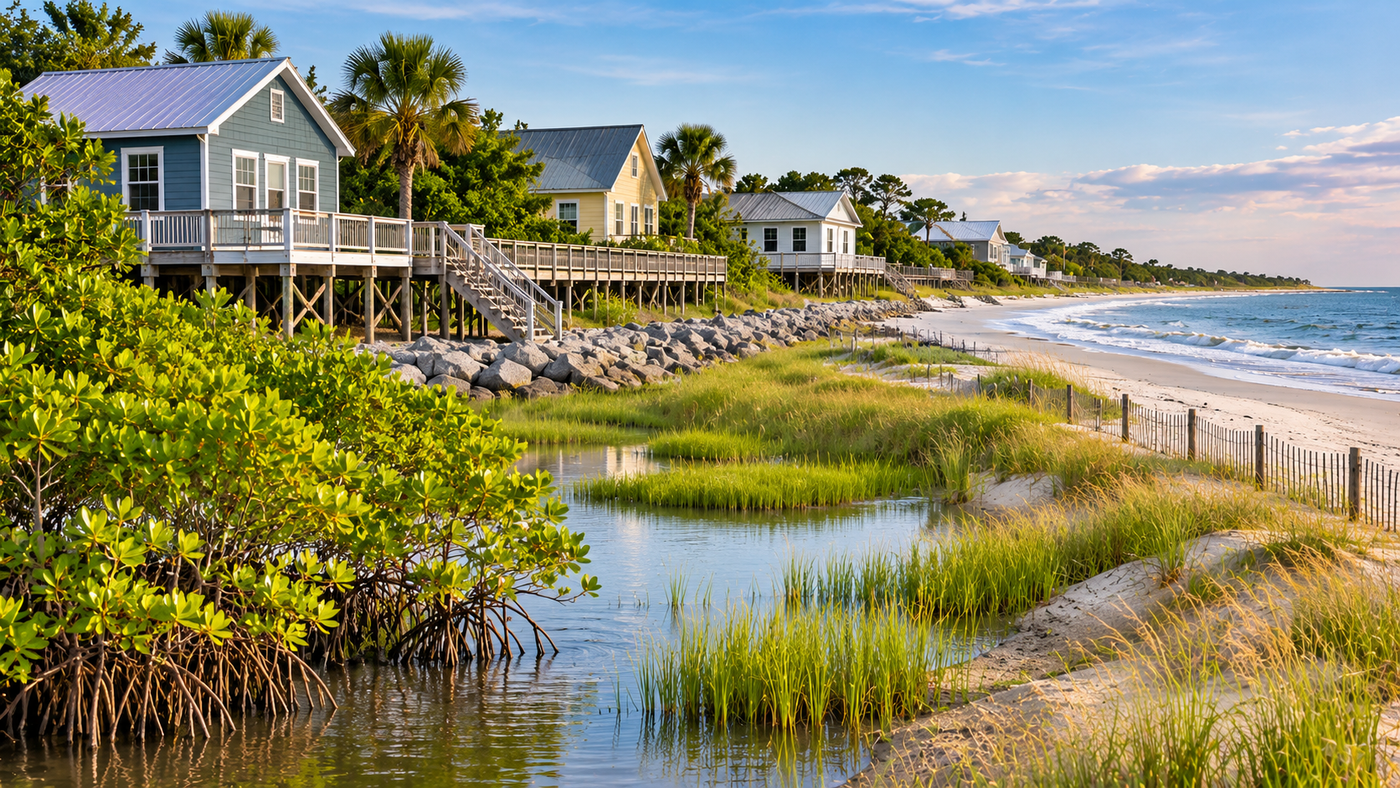
Coastal communities have always maintained a close relationship with the ocean. From small fishing villages to historic seaside towns, millions of people depend on coastal environments for their livelihoods, transportation, food, and cultural traditions. However, rising sea levels, coastal erosion, changing weather patterns, and increasingly frequent flooding in some regions are creating new challenges for communities located near the water.
Around the world, small coastal communities are exploring practical ways to adapt to these environmental changes. From restoring natural wetlands and improving infrastructure to developing more resilient housing and protecting local ecosystems, these efforts demonstrate how communities can prepare for an uncertain future while preserving their connection to the sea.
Understanding the Challenges Facing Coastal Communities
Coastal environments are constantly changing through natural processes involving tides, waves, currents, and sediment movement.
However, climate change is influencing these processes in ways that can increase risks for coastal populations.
Global sea levels are rising as ocean waters warm and expand, while melting glaciers and ice sheets contribute additional water to the oceans.
Even relatively small increases in sea level can make coastal flooding more frequent in vulnerable locations.
Erosion presents another challenge, particularly where beaches and shorelines are exposed to strong waves and storms.
For small communities with limited financial resources, protecting homes, roads, fishing facilities, and public infrastructure can be particularly difficult.
Understanding these environmental pressures is an important first step toward developing effective adaptation strategies.
Restoring Natural Coastal Barriers
One approach gaining attention involves restoring natural ecosystems that help protect coastlines.
Mangrove forests, salt marshes, coastal wetlands, and sand dunes can reduce wave energy, retain sediment, and provide important habitats for wildlife.
Mangroves, for example, develop extensive root systems that help stabilize coastal sediments.
In suitable environments, these forests can reduce the impact of waves and contribute to shoreline protection.
Salt marshes also play an important role by absorbing water, slowing currents, and supporting diverse biological communities.
Restoration projects may involve planting native vegetation, protecting existing habitats, and improving natural water circulation.
Although these ecosystems cannot eliminate every coastal hazard, they can provide valuable protection when combined with appropriate planning and infrastructure.
Building Infrastructure That Can Withstand Flooding
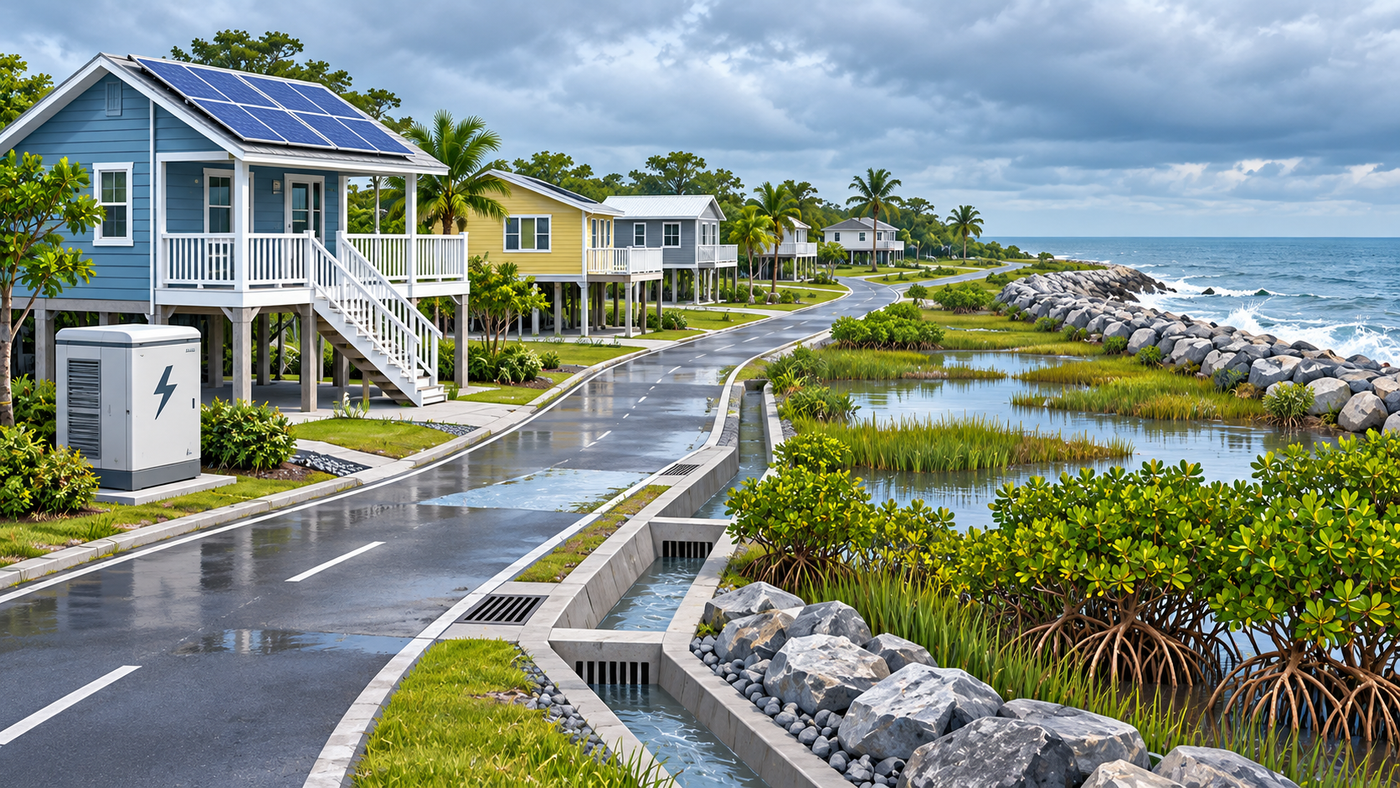
Coastal communities are increasingly reconsidering how buildings, roads, and public facilities are designed.
In areas where flooding is a recurring concern, elevating buildings can help reduce damage to living spaces and essential equipment.
Some communities are improving drainage systems to manage heavy rainfall and high-water conditions more effectively.
Roads, bridges, and utility networks may also require modifications to remain functional during extreme weather.
Resilient infrastructure planning involves considering not only current environmental conditions but also potential changes over the coming decades.
For smaller towns, these improvements often require outside financial assistance and technical support.
Careful investment decisions can help communities prioritize the facilities most important to public safety and everyday life.
Protecting Traditional Fishing Livelihoods
Fishing has supported coastal communities for generations, providing food, employment, and cultural identity.
However, changing ocean temperatures and environmental conditions can influence the distribution and availability of marine species.
Some fish populations may move toward cooler waters or change their seasonal patterns.
These shifts can affect fishing activities, particularly in communities that depend heavily on a limited number of species.
Adaptation strategies may include improving fisheries monitoring, diversifying local economic activities, and supporting sustainable fishing practices.
Some communities are exploring aquaculture where environmental conditions and regulations make it appropriate.
Training and access to scientific information can help fishing families respond to changing marine environments.
Maintaining healthy ocean ecosystems remains essential to protecting long-term coastal livelihoods.
Community Planning and Early Warning Systems
Effective climate adaptation depends on accurate information and community participation.
Weather monitoring systems, flood forecasting, and emergency communication networks can help residents prepare for hazardous conditions.
Early warning systems are particularly valuable when storms or coastal flooding threaten vulnerable areas.
Local governments may develop evacuation plans, identify safe shelters, and organize emergency response training.
Community participation is essential because residents often possess detailed knowledge of local geography, historical flooding patterns, and environmental conditions.
Combining this practical experience with scientific research can produce more effective adaptation strategies.
Public education also helps households understand potential risks and make informed decisions about property protection and emergency preparedness.
The Role of Renewable Energy in Coastal Resilience
Reliable electricity is important for maintaining communication, healthcare, water supplies, and other essential services during extreme weather.
Some coastal communities are exploring renewable energy systems to improve local energy resilience.
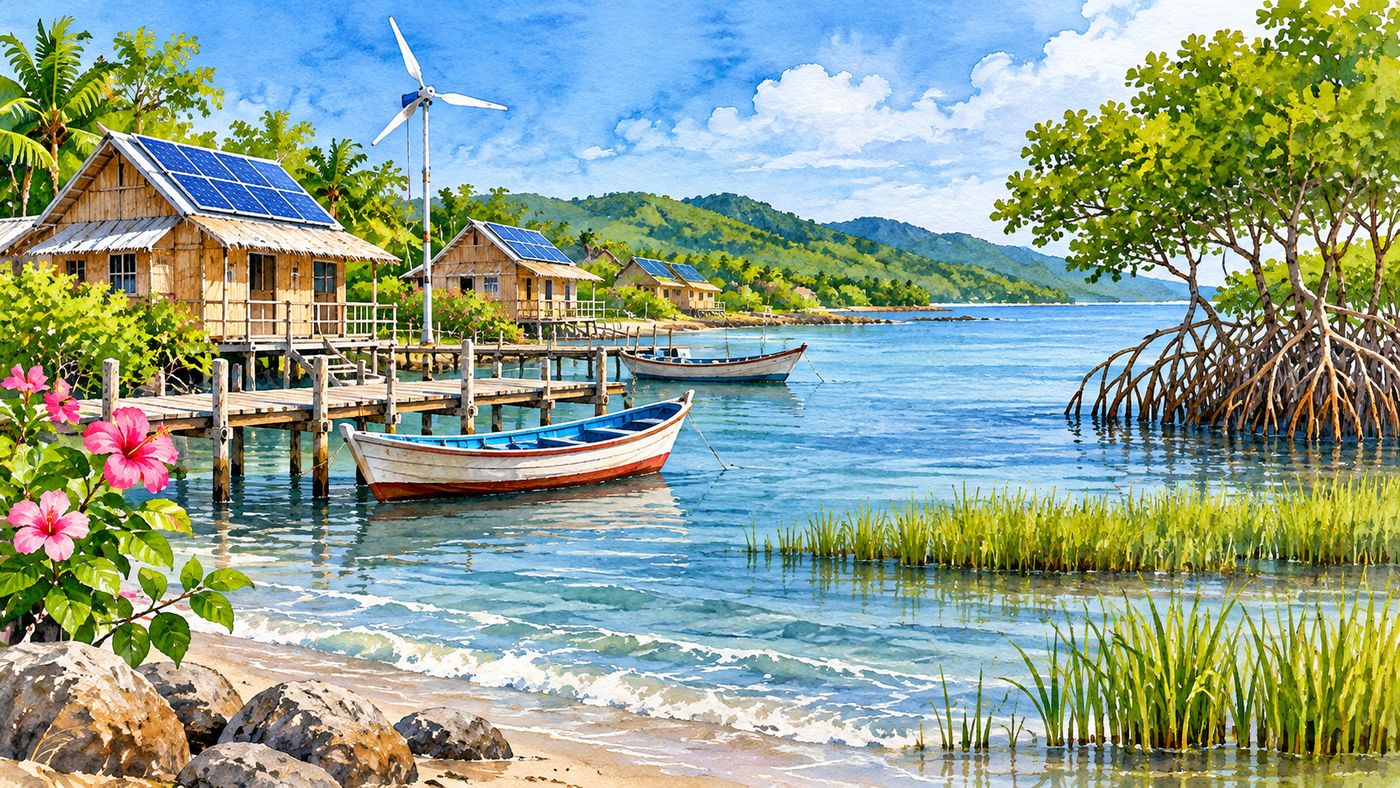
Solar panels combined with battery storage can provide electricity for selected facilities when conventional power networks experience disruptions.
Small community microgrids may also help maintain essential services during emergencies.
However, renewable energy equipment must be designed to withstand local environmental conditions, including strong winds, saltwater exposure, and flooding.
Proper installation, maintenance, and protective measures are necessary to ensure reliable performance.
When carefully implemented, these systems can contribute to both environmental sustainability and community preparedness.
Preserving Cultural Heritage and Community Identity
For many coastal residents, adapting to climate change involves more than protecting physical infrastructure.
Fishing traditions, historic buildings, local festivals, and family connections are closely tied to coastal environments.
Changes to shorelines and living conditions can threaten these important elements of community identity.
Preserving cultural heritage may involve restoring historic structures, documenting local traditions, and supporting businesses connected to traditional coastal activities.
In some particularly vulnerable locations, communities may eventually need to consider relocating certain facilities or homes.
Such decisions can be socially and emotionally difficult, especially when families have lived in the same area for generations.
Successful adaptation planning therefore requires respect for local history, cultural values, and community preferences.
Creating a Sustainable Future for Coastal Communities
Climate adaptation is not a single project but an ongoing process that requires cooperation, investment, and long-term planning.
Different coastal communities face different challenges depending on geography, economic resources, population size, and environmental conditions.
A fishing village surrounded by mangrove forests may require different solutions from a seaside town experiencing rapid beach erosion.
For this reason, effective strategies must reflect local circumstances rather than relying on a universal approach.
Governments, researchers, environmental organizations, and residents all have important roles in developing practical solutions.
Natural habitat restoration, resilient infrastructure, improved emergency planning, and sustainable economic development can work together to reduce environmental risks.
Ultimately, the experiences of small coastal communities demonstrate the importance of balancing adaptation with the preservation of local identity.
As climate conditions continue to change, their efforts provide valuable lessons about resilience, cooperation, and responsible environmental management.
By preparing thoughtfully and protecting the natural systems that support them, coastal communities can create safer and more sustainable places for future generations while maintaining their enduring connection to the ocean.
