
As cities continue to expand, urban green spaces are becoming increasingly important to the health, well-being, and quality of life of their residents. Parks, community gardens, tree-lined streets, and natural landscapes provide more than attractive scenery. They help improve air quality, support biodiversity, regulate urban temperatures, and create opportunities for recreation and social interaction.
With growing populations and increasing pressure on urban infrastructure, city planners and environmental researchers are recognizing the value of incorporating nature into urban development. Across the world, communities are exploring ways to create greener environments that balance economic growth with environmental sustainability.
Understanding the Role of Green Spaces in Urban Life
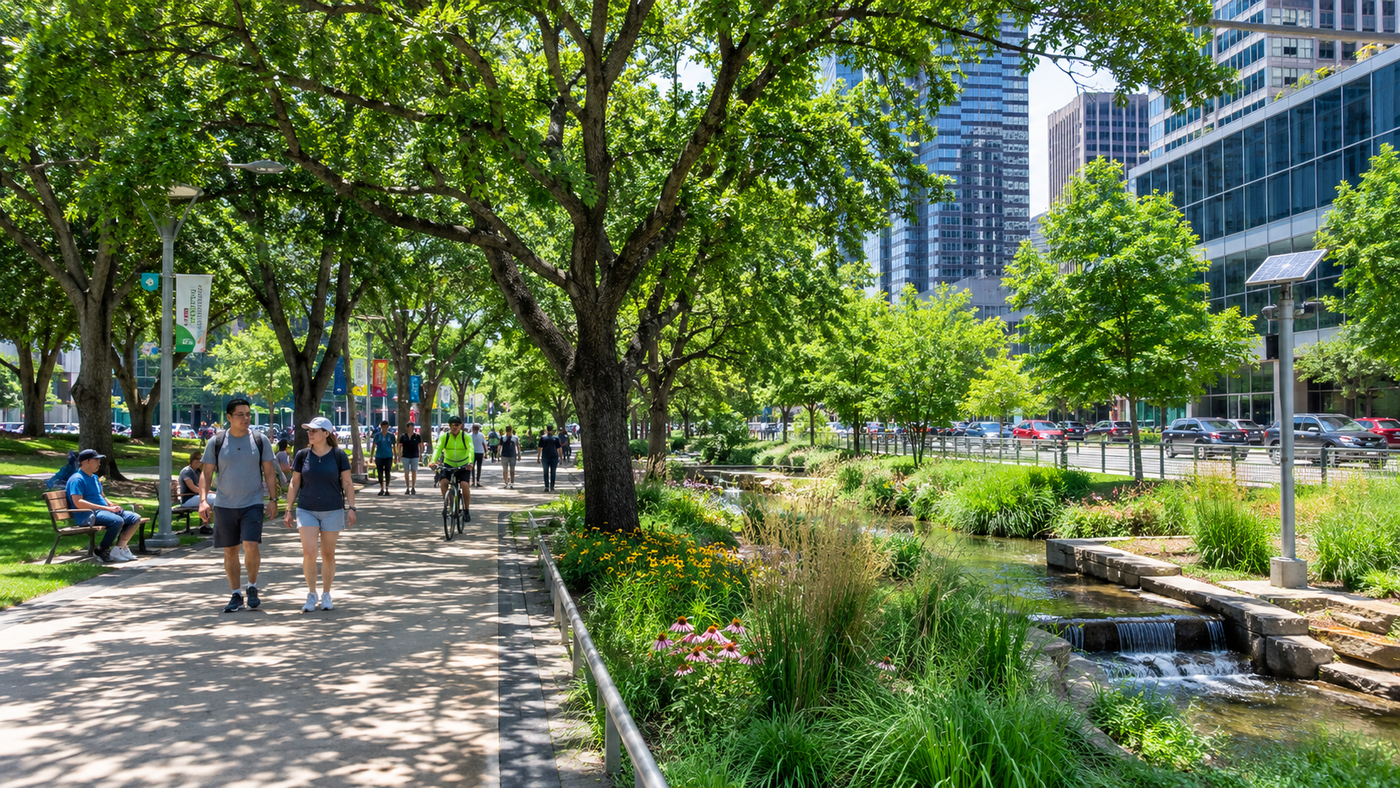
Urban green spaces include public parks, gardens, forests, green rooftops, recreational fields, and other areas where vegetation forms an important part of the landscape.
These spaces serve several purposes, from providing places for exercise and relaxation to supporting ecological systems within densely populated environments.
In many cities, rapid development has replaced natural landscapes with buildings, roads, and parking areas. As a result, residents may have limited access to trees, open spaces, and natural environments.
Urban planners increasingly recognize that green spaces should be considered essential infrastructure rather than optional decorative features.
Well-designed parks and gardens can improve neighborhood conditions, encourage outdoor activities, and make urban environments more comfortable and attractive.
Improving Air Quality and Environmental Conditions
One of the most widely recognized benefits of urban vegetation is its contribution to improving environmental conditions.
Trees and plants absorb carbon dioxide during photosynthesis while releasing oxygen into the atmosphere.
Leaves and other plant surfaces can also capture certain airborne particles, helping reduce some forms of local air pollution.
However, the effectiveness of vegetation depends on factors such as tree species, surrounding buildings, wind patterns, and pollution sources.
Urban green spaces also contribute to stormwater management.
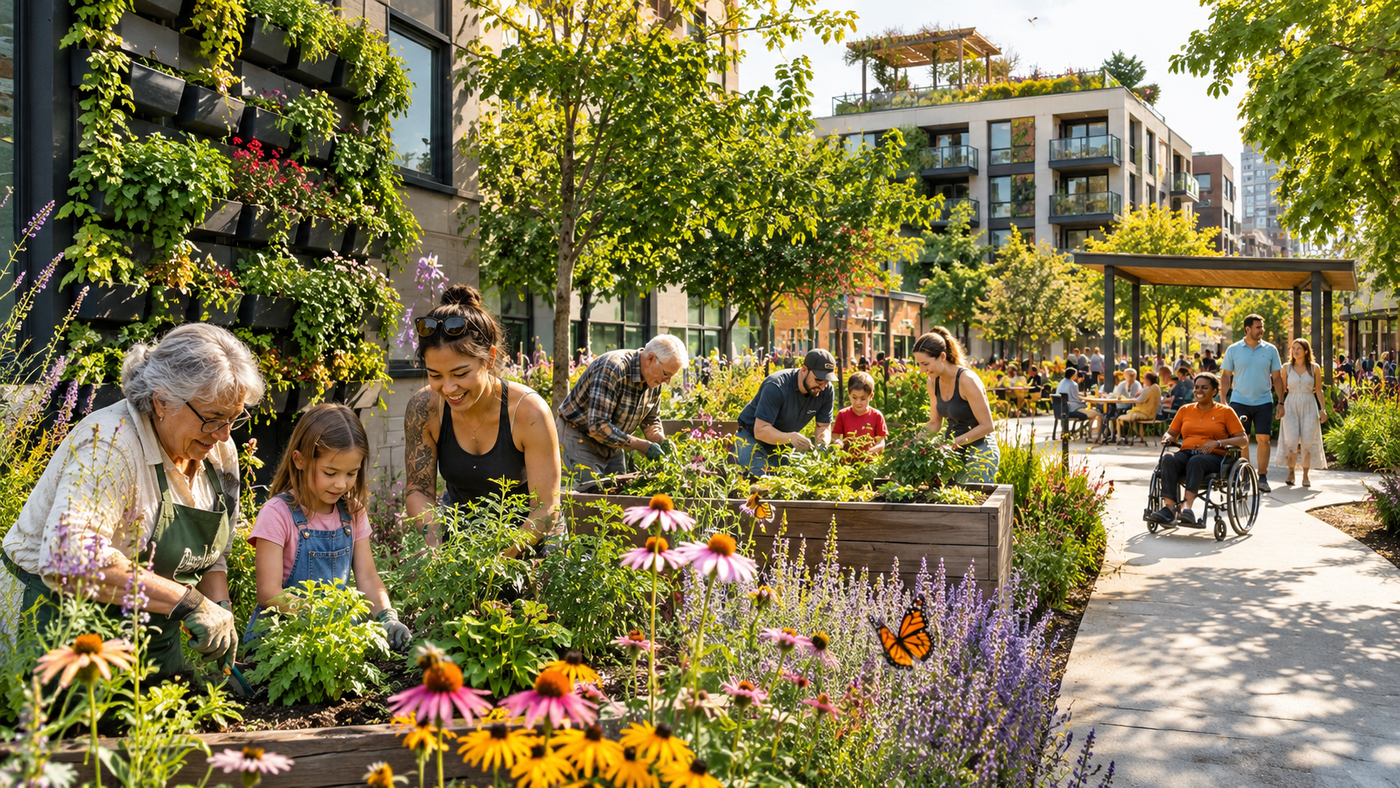
Vegetated areas allow rainwater to infiltrate the soil, reducing runoff that might otherwise overwhelm drainage systems during heavy rainfall.
Green roofs, rain gardens, and landscaped drainage areas are increasingly being incorporated into urban design to help manage water more naturally.
These approaches demonstrate how vegetation can support important environmental functions within developed areas.
Reducing the Urban Heat Island Effect
Cities often experience higher temperatures than surrounding rural areas because buildings, roads, and other artificial surfaces absorb and retain heat.
This phenomenon is known as the urban heat island effect.
During hot weather, these elevated temperatures can increase energy consumption, reduce outdoor comfort, and create health risks for vulnerable populations.
Trees and green spaces help address this challenge by providing shade and cooling the surrounding environment through evapotranspiration.
Parks with substantial vegetation can create cooler local conditions compared with nearby areas dominated by concrete and asphalt.
Urban planners are increasingly incorporating tree planting, green roofs, and shaded pedestrian corridors into strategies designed to reduce heat exposure.
Although vegetation alone cannot eliminate urban warming, it represents an important component of climate-conscious city planning.
Supporting Physical and Mental Well-Being
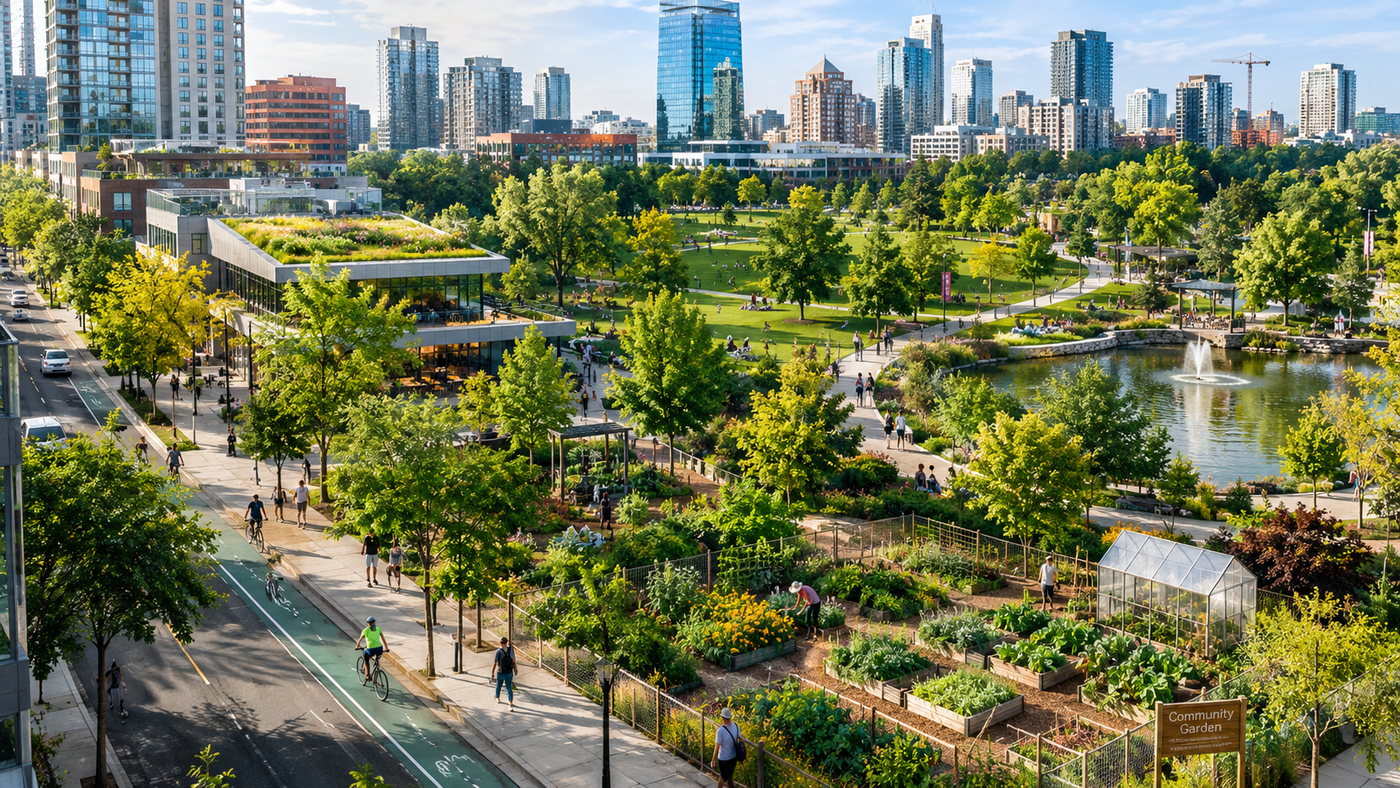
Access to nature can have meaningful benefits for both physical and mental health.
Urban parks provide convenient locations for walking, jogging, cycling, and other recreational activities.
By creating accessible spaces for exercise, cities can encourage residents to maintain more active lifestyles.
Green environments may also help reduce stress and support psychological well-being.
Research has associated exposure to natural settings with improvements in mood, attention, and perceived relaxation.
For people living in densely populated neighborhoods, even small gardens or tree-lined streets can offer opportunities to spend time away from traffic, noise, and crowded indoor environments.
The benefits are particularly important for children, older adults, and individuals who may have limited access to recreational facilities.
Ensuring equitable access to green spaces is therefore becoming an important public health consideration.
Creating Habitats for Urban Wildlife
Although cities are heavily influenced by human activity, they can still support surprisingly diverse wildlife populations.
Urban parks, wetlands, gardens, and wooded areas provide habitats for birds, insects, small mammals, and numerous plant species.
Pollinators such as bees and butterflies may benefit from gardens containing native flowering plants.
Trees and shrubs can provide nesting locations, shelter, and food for birds throughout the year.
Connecting green spaces through ecological corridors can also help wildlife move between suitable habitats.
These connections are especially valuable in cities where roads and buildings divide natural areas into isolated fragments.
By protecting existing habitats and incorporating native vegetation into landscaping projects, urban communities can contribute to biodiversity conservation.
Strengthening Communities Through Shared Outdoor Spaces
Beyond their environmental benefits, green spaces play an important social role.
Public parks provide places where residents can gather, participate in recreational activities, and interact with neighbors.
Community gardens allow individuals to grow vegetables, herbs, and flowers while sharing knowledge and resources.
These projects can encourage cooperation between residents from different backgrounds and age groups.
Green spaces also support cultural events, outdoor educational programs, and community celebrations.
In neighborhoods where access to public gathering places is limited, well-maintained parks can become important centers of social activity.
However, successful urban green spaces require thoughtful planning, regular maintenance, and consideration of local community needs.
Safety, accessibility, and inclusive design all influence whether residents feel comfortable using these areas.
Innovative Approaches to Greener Cities
As available land becomes increasingly limited, cities are developing creative approaches to expanding urban greenery.
Rooftop gardens provide opportunities to introduce vegetation onto buildings where traditional parks may not be practical.
Vertical gardens use walls and other structures to support plant growth in compact spaces.
Former industrial sites and abandoned railway corridors can be transformed into public parks and pedestrian pathways.
Some communities are also developing small neighborhood parks on previously unused land.
These projects demonstrate that meaningful green infrastructure does not always require large open areas.
Even relatively modest improvements can contribute to more welcoming and environmentally responsible urban landscapes.
Building a Healthier Future for Urban Communities
The growing importance of urban green spaces reflects a broader understanding of how nature contributes to sustainable city development.
Trees, parks, gardens, and natural habitats offer environmental, recreational, and social benefits that extend far beyond their visual appearance.
As urban populations continue to grow, maintaining and expanding these spaces will require cooperation between governments, urban planners, environmental organizations, and local residents.
Future cities must balance the need for housing, transportation, and economic development with the preservation of natural environments.
By integrating green spaces into long-term planning, communities can create urban landscapes that are healthier, more resilient, and more enjoyable.
Ultimately, the presence of nature within cities reminds us that successful urban development is not measured only by buildings and infrastructure, but also by the quality of life experienced by the people who call these places home.
