
Architecture has always reflected the creativity, knowledge, and cultural values of human civilization. From the towering pyramids of ancient Egypt to the elegant temples of Greece and the impressive engineering achievements of Rome, historical buildings continue to inspire architects around the world. Although construction materials and technologies have changed dramatically over thousands of years, many principles developed by ancient civilizations remain essential to modern architectural design.
Today, architects frequently combine traditional ideas with contemporary innovations to create buildings that are functional, visually appealing, and environmentally responsible. Understanding the relationship between ancient and modern architecture reveals how historical knowledge continues to shape the spaces where people live, work, and gather.
The Lasting Influence of Ancient Civilizations
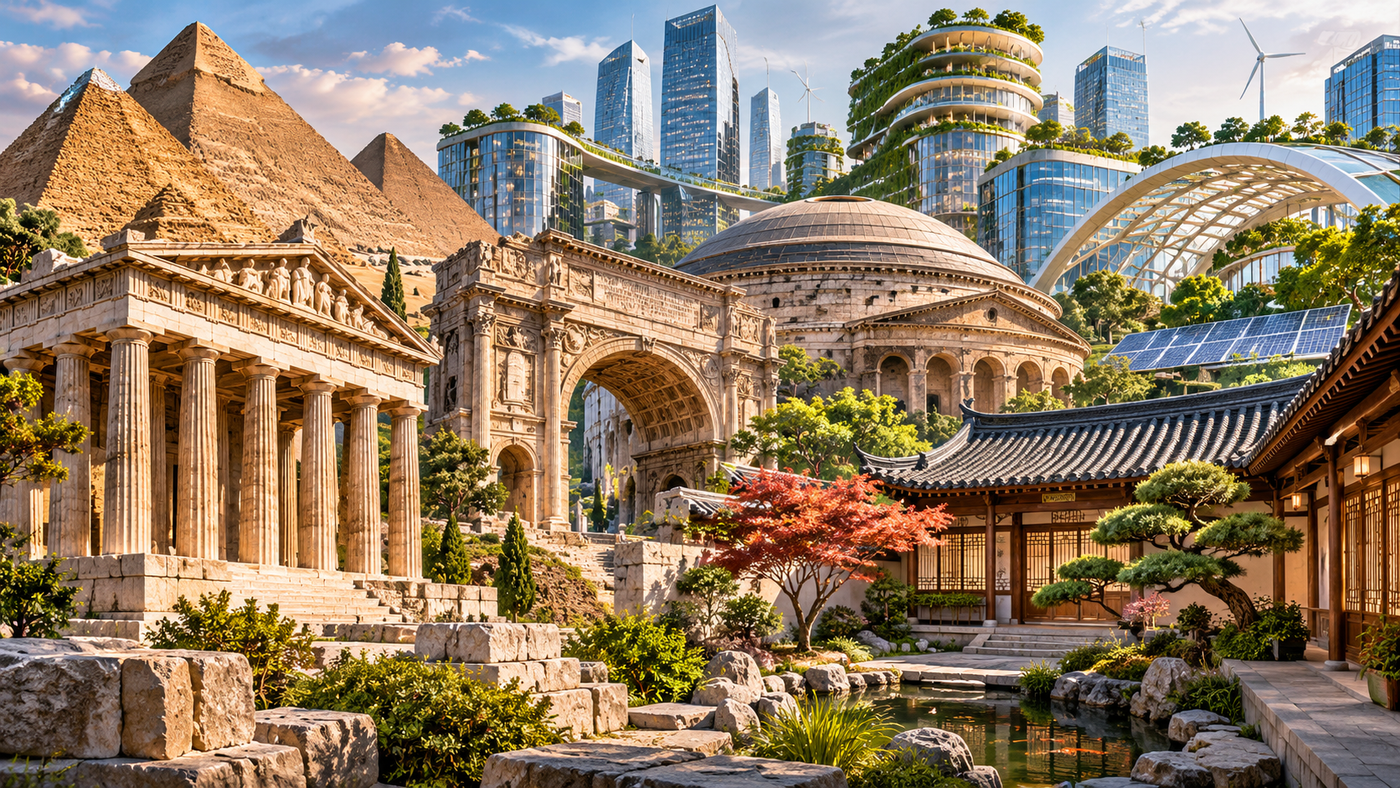
Ancient civilizations developed architectural styles that reflected their environments, available materials, religious beliefs, and social structures.
Egyptian builders used massive stone blocks to construct monuments designed to endure for generations. Greek architects emphasized proportion, symmetry, and harmony, while Roman engineers introduced construction techniques that allowed buildings to cover larger spaces.
These civilizations established design principles that remain influential today.
Modern government buildings, museums, universities, and cultural institutions often incorporate columns, arches, domes, and symmetrical layouts inspired by historical architecture.
Such features are not always included for structural reasons. They can also communicate ideas of stability, tradition, and cultural identity.
By studying ancient buildings, architects gain valuable insights into how design choices can remain meaningful across centuries.
Greek Architecture and the Importance of Proportion
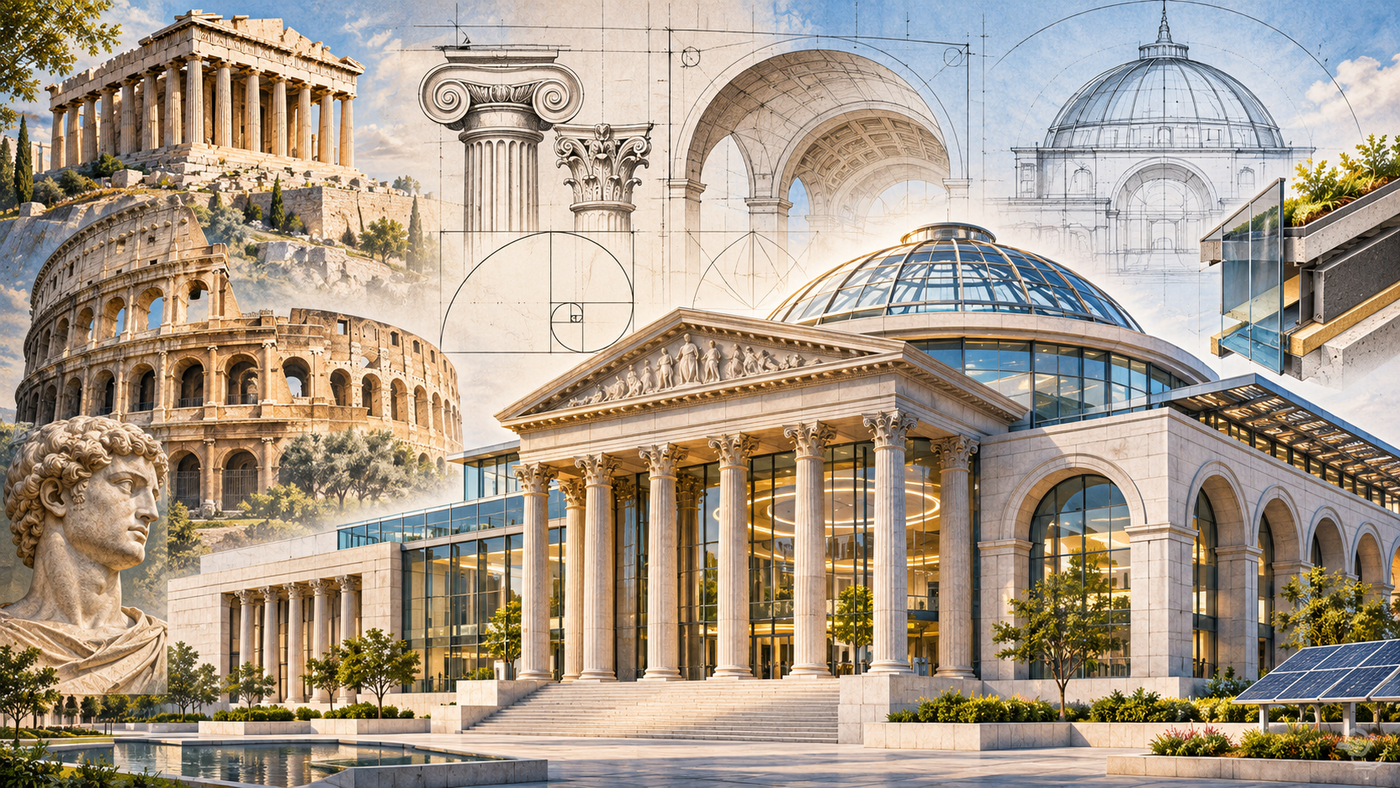
Ancient Greek architecture is particularly well known for its emphasis on balance, mathematical relationships, and visual harmony.
Structures such as the Parthenon in Athens demonstrate how carefully arranged columns, geometric proportions, and decorative elements can create a powerful architectural impression.
Greek builders developed recognizable architectural orders, including Doric, Ionic, and Corinthian styles.
Each order featured distinctive column designs and decorative characteristics.
These architectural traditions later influenced Renaissance, Neoclassical, and modern institutional architecture.
Today, many courthouses, museums, libraries, and government buildings feature classical columns and symmetrical facades.
Although contemporary architects often reinterpret these elements using modern materials, the underlying principles of proportion and visual balance remain relevant.
Greek architecture demonstrates how thoughtful design can create buildings that appear elegant without depending on excessive decoration.
Roman Engineering and Modern Construction
Ancient Roman architecture made significant contributions to structural engineering.
Roman builders developed extensive knowledge of arches, vaults, domes, and concrete construction.
These techniques allowed them to create impressive public structures, including aqueducts, amphitheaters, bridges, and bath complexes.
The Pantheon in Rome remains one of the most remarkable examples of ancient engineering.
Its enormous concrete dome demonstrates how Roman architects understood the relationship between materials, structural weight, and architectural form.
Modern architects continue to use arches and domes because of their ability to distribute forces efficiently.
Large transportation terminals, stadiums, exhibition halls, and public buildings often incorporate structural principles that can be traced to ancient engineering traditions.
Although modern steel and reinforced concrete provide capabilities unavailable to Roman builders, the fundamental importance of structural stability remains unchanged.
Ancient Egyptian Architecture and Monumental Design
Ancient Egyptian architecture is recognized for its impressive scale, geometric precision, and long-lasting construction.
The pyramids of Giza remain among the most famous architectural achievements in human history.
Their construction required careful planning, coordination, material transportation, and extensive engineering knowledge.
Egyptian temples also featured massive columns, carefully arranged entrances, and monumental spaces designed to create a sense of importance.
Modern architects sometimes draw inspiration from these approaches when designing museums, memorials, and civic buildings.
Large entrance halls, dramatic geometric forms, and carefully controlled movement through interior spaces can create memorable experiences for visitors.
While contemporary buildings rarely reproduce Egyptian monuments directly, their architectural influence remains visible in structures emphasizing permanence and symbolic meaning.
Traditional Asian Architecture and Harmony With Nature
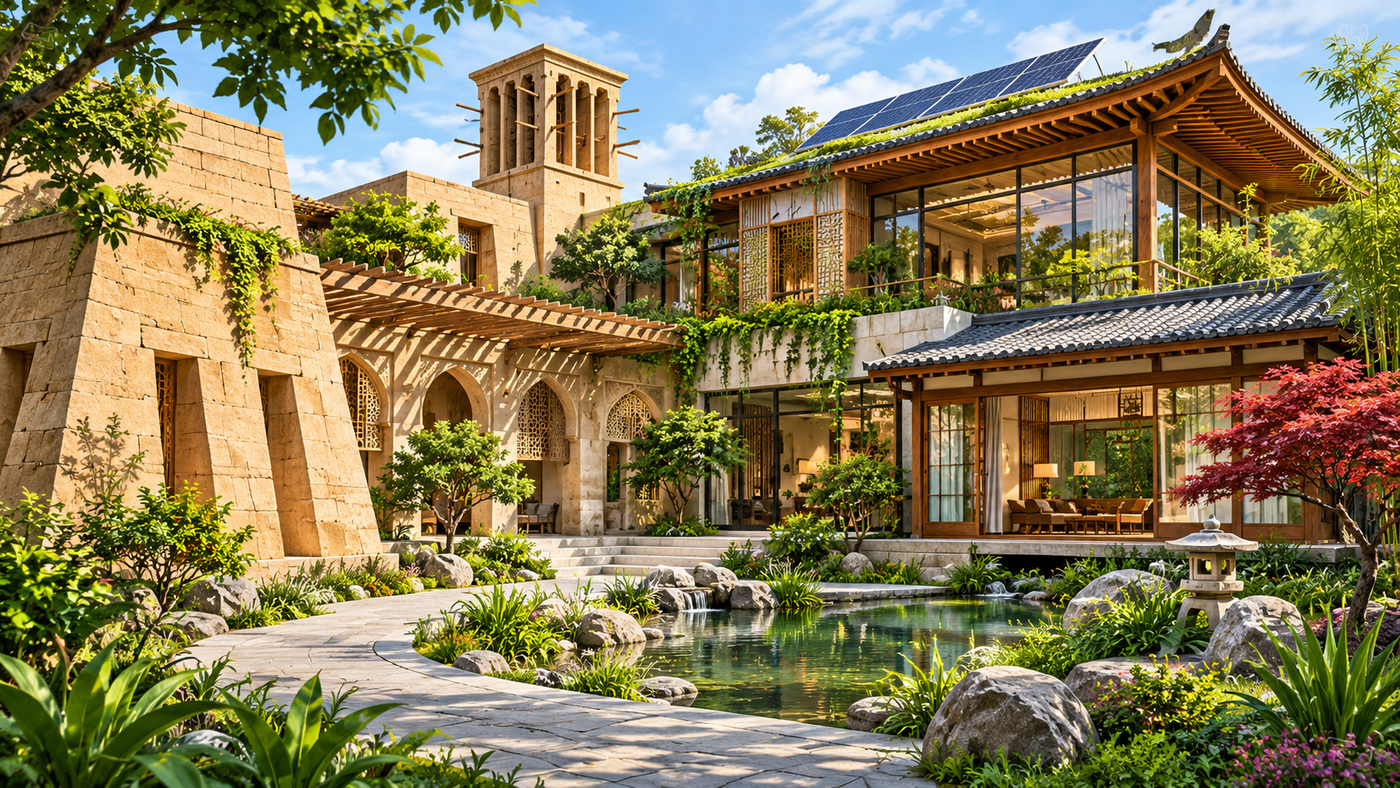
Ancient architecture in Asia offers another important perspective on building design.
Traditional Chinese and Japanese buildings frequently emphasize relationships between structures, natural landscapes, and surrounding environments.
Courtyards, gardens, wooden construction, and carefully arranged interior spaces reflect principles that remain valuable in contemporary architecture.
Japanese traditional architecture, for example, often incorporates natural materials, flexible interior layouts, and visual connections between indoor and outdoor areas.
These ideas have influenced modern residential design, particularly homes that emphasize simplicity, natural lighting, and efficient use of space.
Courtyard arrangements found in several Asian architectural traditions can also improve privacy and encourage natural ventilation.
Such approaches demonstrate that historical architecture offers practical lessons for creating comfortable living environments.
Learning From Ancient Climate-Responsive Buildings
Long before mechanical air conditioning and modern heating systems existed, builders developed methods for making indoor environments more comfortable.
In hot, dry regions, thick walls and shaded courtyards helped reduce exposure to intense sunlight.
Traditional buildings in parts of the Middle East incorporated wind towers to encourage airflow and provide passive cooling.
In other regions, builders used roof shapes, building orientation, and locally available materials to respond to seasonal weather conditions.
These techniques are receiving renewed attention as architects search for ways to reduce building energy consumption.
Passive design strategies, including natural ventilation, shading, thermal mass, and daylight optimization, can reduce dependence on mechanical systems when appropriately designed for local conditions.
Combining traditional environmental knowledge with modern building science offers opportunities to create more energy-efficient structures.
Preserving Historical Architecture in Modern Cities
As cities expand, preserving ancient and historical buildings presents both opportunities and challenges.
Older structures may require careful restoration to address deterioration, structural concerns, or changing public needs.
However, preservation can maintain cultural identity and provide educational opportunities for future generations.
Adaptive reuse has become an important architectural approach.
Instead of demolishing older buildings, architects transform them into museums, offices, residential spaces, or cultural centers.
This process can preserve important architectural features while introducing modern services and safety improvements.
Successful restoration projects demonstrate that historical architecture can remain relevant without losing its original character.
Connecting Architectural Tradition With Modern Innovation
The relationship between ancient and modern architecture is not simply about copying historical styles.
It involves understanding why certain designs were effective and how those principles can respond to contemporary needs.
Modern architects have access to advanced materials, computer modeling, sustainable construction techniques, and innovative engineering systems.
These technologies make it possible to reinterpret ancient ideas in new and creative ways.
A contemporary building might combine classical proportions with energy-efficient glass, use traditional courtyard layouts alongside modern ventilation systems, or incorporate natural materials within minimalist designs.
Such combinations demonstrate how architectural progress can respect the achievements of earlier civilizations.
Building the Future With Lessons From the Past
Ancient architecture continues to influence modern buildings because its greatest achievements extend beyond appearance.
Historical structures reveal valuable lessons about proportion, engineering, environmental adaptation, durability, and cultural expression.
From Greek columns and Roman domes to Egyptian monuments and traditional Asian courtyards, architectural ideas developed centuries ago remain visible in the built environment.
As architects address modern challenges involving sustainability, urban growth, and changing lifestyles, historical knowledge provides an important foundation for innovation.
The buildings of the future will undoubtedly reflect new technologies and materials. Yet many of their most effective design principles may continue to draw inspiration from the civilizations that shaped architecture thousands of years ago.
Ultimately, ancient architecture reminds us that thoughtful design can connect generations, preserve cultural heritage, and create spaces whose value extends far beyond their original time.
