
Public libraries have long been important centers of learning, providing communities with access to books, information, and educational resources. For generations, they have offered quiet spaces where people can read, study, and explore new ideas. However, as digital technology continues to transform how information is created and shared, public libraries are adapting to meet the changing expectations of modern society.
Today, many libraries provide far more than traditional book collections. Digital lending services, online learning platforms, creative workspaces, and community programs are helping libraries remain relevant in an increasingly connected world. These developments demonstrate how one of society’s oldest educational institutions continues to evolve while preserving its fundamental mission of providing accessible knowledge.
The Changing Role of Public Libraries
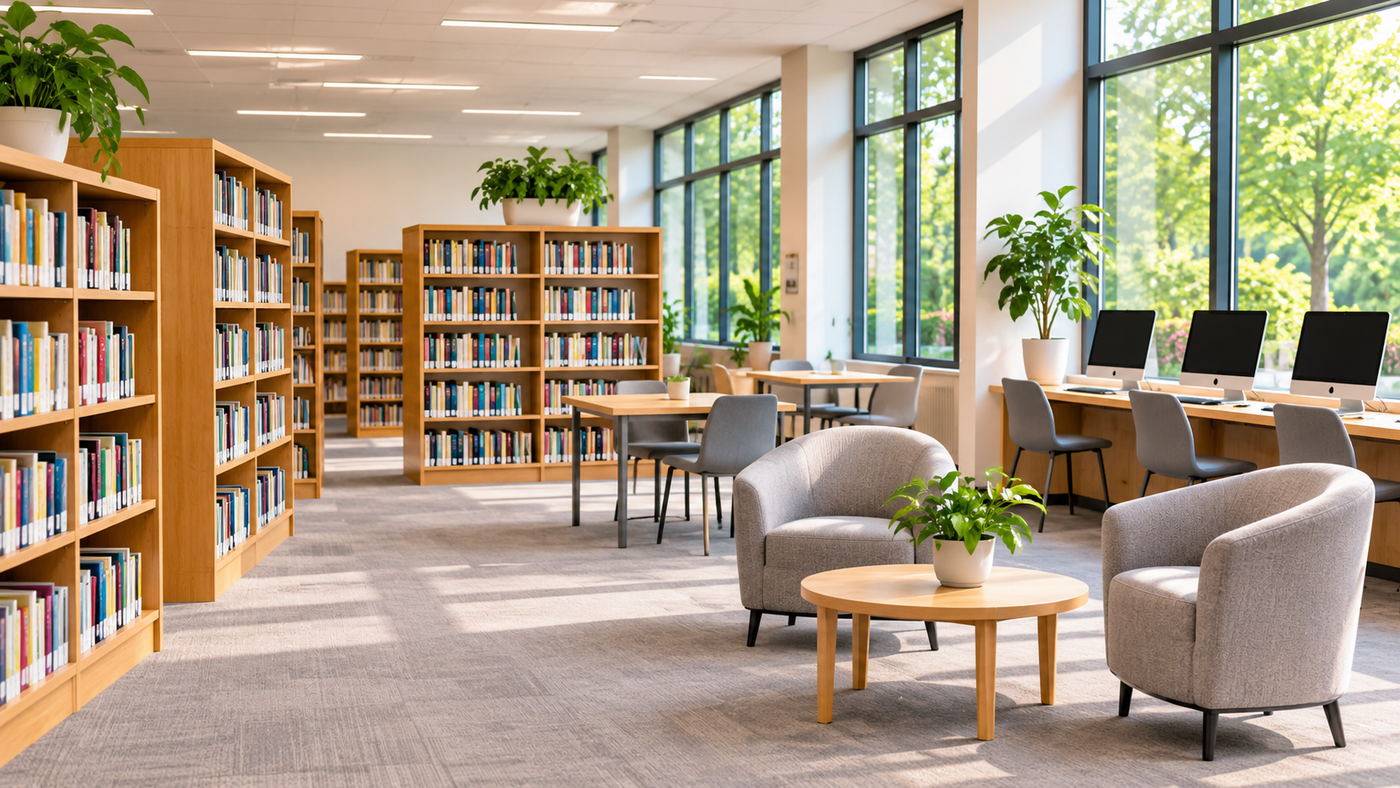
Historically, public libraries served primarily as places where people could borrow books, consult reference materials, and access information that might otherwise be difficult to obtain.
Before the widespread availability of the internet, libraries were among the most important sources of educational resources for students, researchers, and local residents.
The digital revolution has significantly changed this environment.
Today, people can access enormous quantities of information through smartphones, computers, and online platforms. However, the availability of digital information does not necessarily mean everyone can access it easily or evaluate its reliability.
Public libraries are responding by expanding their services beyond physical collections.
Many now offer computer access, digital research tools, educational workshops, and spaces designed for collaboration.
Rather than becoming less important, libraries are finding new ways to support their communities.
Digital Books and the Growth of Online Lending
One of the most significant developments in modern library services is the expansion of digital collections.
Many public libraries allow members to borrow electronic books, audiobooks, and digital magazines through online lending platforms.
These services provide greater flexibility for readers who prefer accessing materials through smartphones, tablets, or computers.
Digital borrowing can be particularly valuable for people who have difficulty visiting a physical library because of transportation limitations, disabilities, or demanding schedules.
Audiobooks also offer an alternative way to enjoy literature while traveling, exercising, or completing everyday activities.
However, digital lending introduces challenges involving licensing agreements, subscription expenses, and access restrictions.
Libraries must carefully manage these costs while continuing to provide traditional printed materials.
The growing popularity of digital collections demonstrates how libraries are adjusting to changing reading habits without abandoning physical books.
Providing Access to Technology and Digital Skills

Although digital technology is widely used, not everyone has equal access to computers, reliable internet connections, or the knowledge required to use online services.
Public libraries help address this digital divide by offering access to essential technological resources.
Many provide public computers, wireless internet, printing equipment, and assistance with common digital tasks.
Some libraries also organize workshops covering basic computer skills, internet safety, email communication, and the use of everyday software.
These programs can be especially helpful for older adults, job seekers, and individuals who have limited experience with digital technology.
By supporting digital literacy, libraries help residents participate more effectively in education, employment, and modern communication.
This role is becoming increasingly important as essential services continue moving online.
Libraries as Modern Learning Environments
Traditional libraries were often associated with quiet reading rooms and individual study.
While these spaces remain valuable, modern libraries are increasingly designed to support different learning styles.
Some facilities now include collaborative study areas, meeting rooms, multimedia spaces, and flexible environments for educational activities.
Students may use these spaces to complete group projects, attend tutoring sessions, or participate in workshops.
Adults can access continuing education programs, professional development resources, and community lectures.
Libraries also support lifelong learning by providing opportunities for people to explore new interests outside formal educational institutions.
The combination of traditional reading spaces and modern learning environments allows libraries to serve a broader range of visitors.
The Rise of Makerspaces and Creative Technology
An interesting development in public libraries is the introduction of makerspaces.
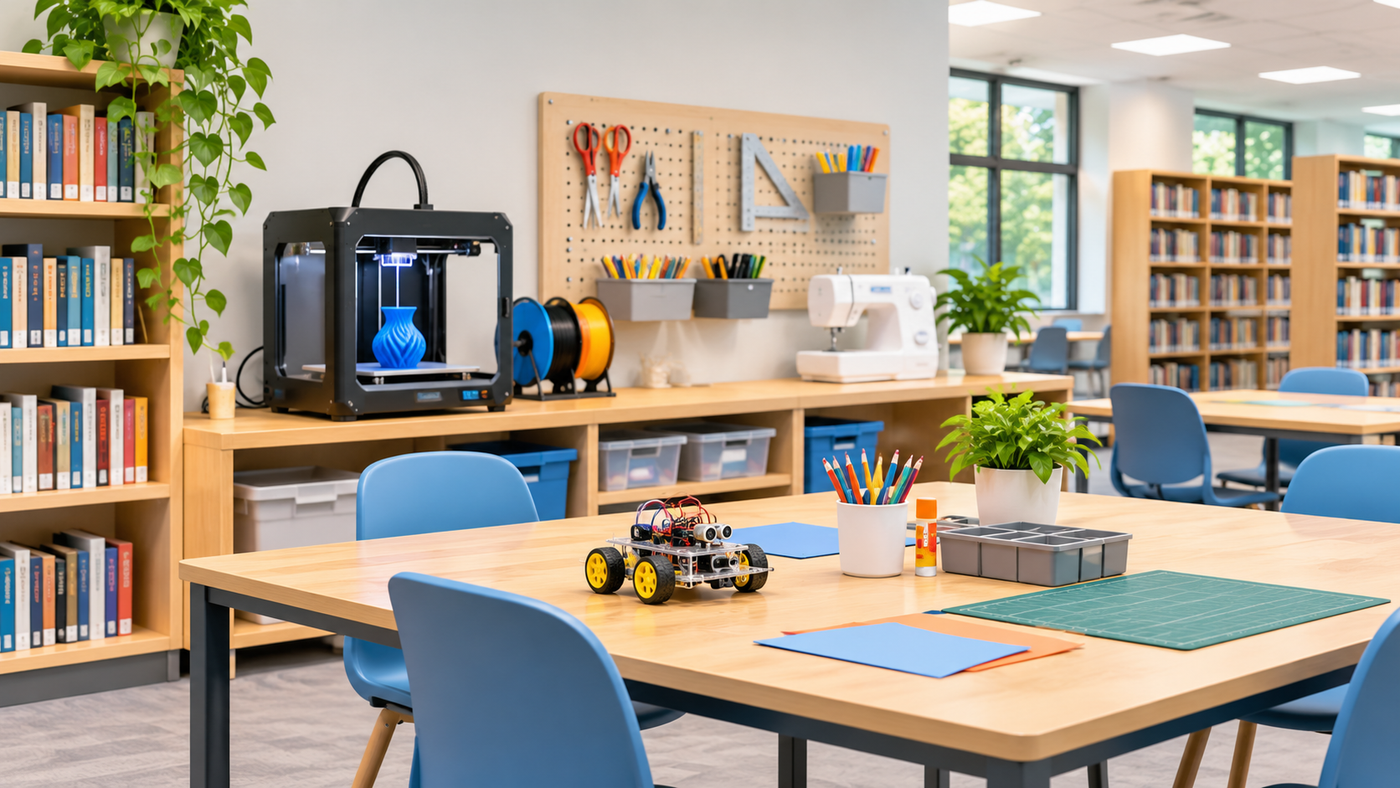
These are dedicated areas where visitors can experiment with technology, develop creative projects, and learn practical skills.
Depending on available funding and facilities, makerspaces may contain 3D printers, sewing machines, audio recording equipment, robotics kits, or digital design software.
Such resources allow community members to explore activities that might otherwise require expensive equipment.
Students can learn about engineering and design, while adults may develop creative hobbies or experiment with small business ideas.
Makerspaces also encourage collaboration and hands-on learning.
By providing access to creative technologies, libraries are expanding their role from places where knowledge is consumed to environments where knowledge can be applied.
Supporting Communities Through Educational Programs
Public libraries have always played an important social role, and many are expanding their community activities.
Children’s reading programs, storytelling sessions, cultural events, and educational workshops remain central services.
However, modern libraries are increasingly offering programs related to career development, financial literacy, technology, and community engagement.
Some organize language conversation groups, helping participants practice communication skills in welcoming environments.
Others provide assistance with job applications, resume preparation, and online employment resources.
Libraries may also host discussions, exhibitions, and local history projects that encourage residents to connect with their communities.
These activities help transform libraries into accessible public spaces where people of different ages and backgrounds can learn together.
Preserving Information in an Increasingly Digital World
As more information becomes digital, libraries face new responsibilities involving preservation and accessibility.
Historical photographs, newspapers, manuscripts, and local records may deteriorate over time if they are not properly protected.
Digitization allows libraries to create electronic copies of valuable materials, making them easier to preserve and access.
Digital archives can also help researchers and community members explore historical collections without handling fragile original documents.
However, preserving digital information presents its own challenges.
Electronic formats can become outdated, storage systems require maintenance, and digital collections must be protected against data loss.
Libraries therefore need long-term strategies for managing both physical and electronic resources.
Their work helps ensure that important cultural and historical information remains available for future generations.
Balancing Traditional Services With Modern Innovation
Despite the growing importance of technology, printed books remain an essential part of public libraries.
Many visitors still appreciate the experience of browsing physical shelves, reading printed materials, and studying in quiet surroundings.
Libraries must balance these traditional expectations with demand for digital services and modern facilities.
This balance can be challenging, particularly for smaller institutions operating with limited budgets.
Technology upgrades, staff training, collection development, and building maintenance all require financial resources.
Successful libraries often respond by evaluating local needs and introducing services that provide the greatest benefit to their communities.
The goal is not to replace traditional library experiences but to expand the ways people can access knowledge.
The Future of Public Libraries
As technology continues to evolve, public libraries will likely remain important institutions for education, cultural preservation, and community development.
Digital collections, interactive learning tools, and accessible technology services may become increasingly integrated into everyday library operations.
At the same time, libraries will continue providing something that online platforms cannot fully replace: welcoming physical environments dedicated to learning and human connection.
Their future success will depend on adaptability, sustainable funding, and an understanding of changing community needs.
Ultimately, public libraries demonstrate that technological progress does not eliminate the value of traditional institutions.
Instead, innovation can strengthen their original purpose.
By combining books, digital resources, educational programs, and shared public spaces, libraries are creating new opportunities for people to discover knowledge, develop skills, and connect with the world around them.
In an age defined by rapid technological change, the public library remains a powerful reminder that access to information and opportunities for learning should be available to everyone.
