
Music has always played an important role in human civilization, connecting people through shared experiences, emotions, and cultural traditions. From ancient ceremonial songs to traditional folk melodies passed down through families, music serves as a powerful way to preserve the history and identity of communities around the world.
As modern technology and globalization continue to influence musical tastes, traditional music remains an essential part of cultural heritage. Across different societies, musicians, educators, and local communities are finding new ways to protect historical musical practices while introducing them to younger generations.
Music as a Reflection of Cultural Identity
Every culture has developed distinctive musical traditions shaped by its history, geography, language, and social values.
Traditional music often reflects important aspects of everyday life, including celebrations, religious ceremonies, agricultural activities, and family gatherings.
In many communities, songs are used to communicate stories about historical events, important individuals, and shared cultural experiences.
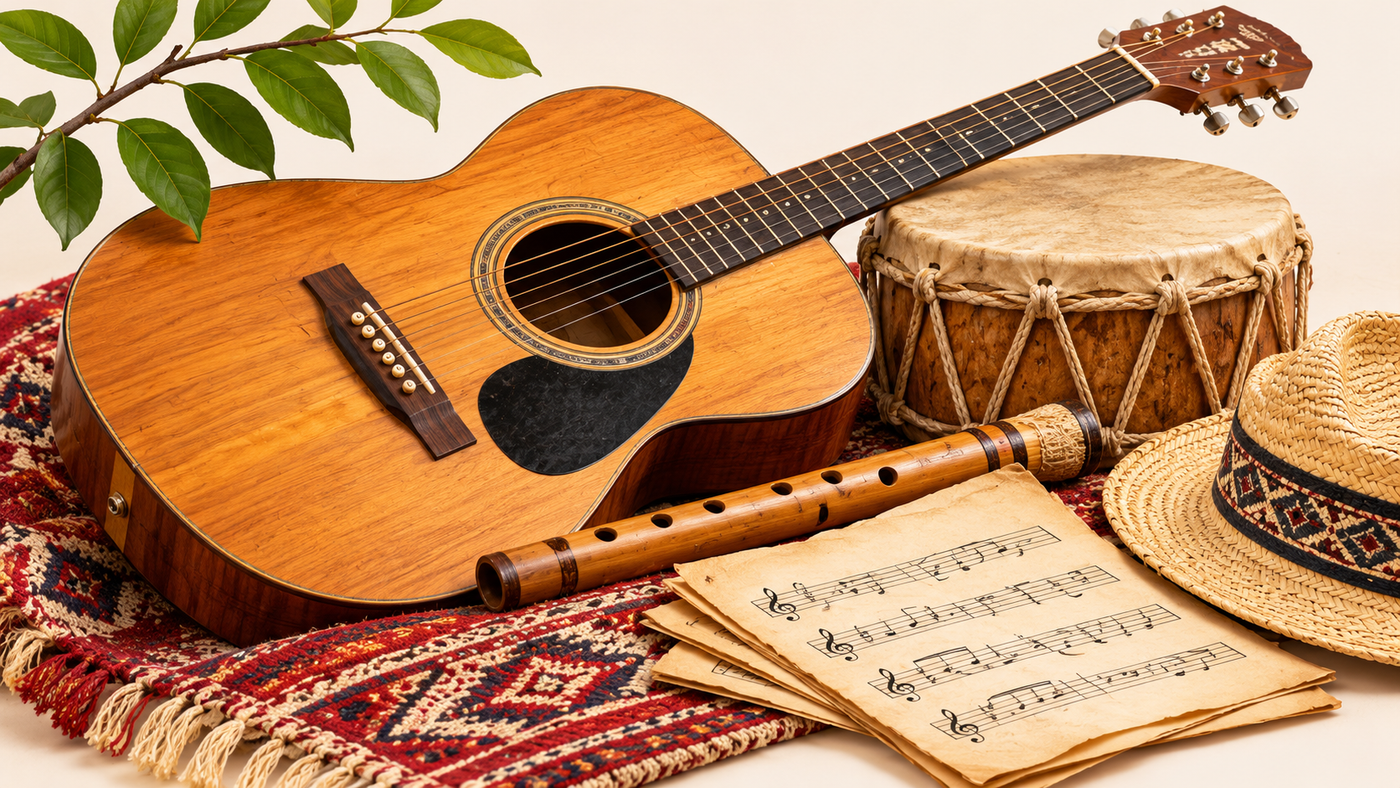
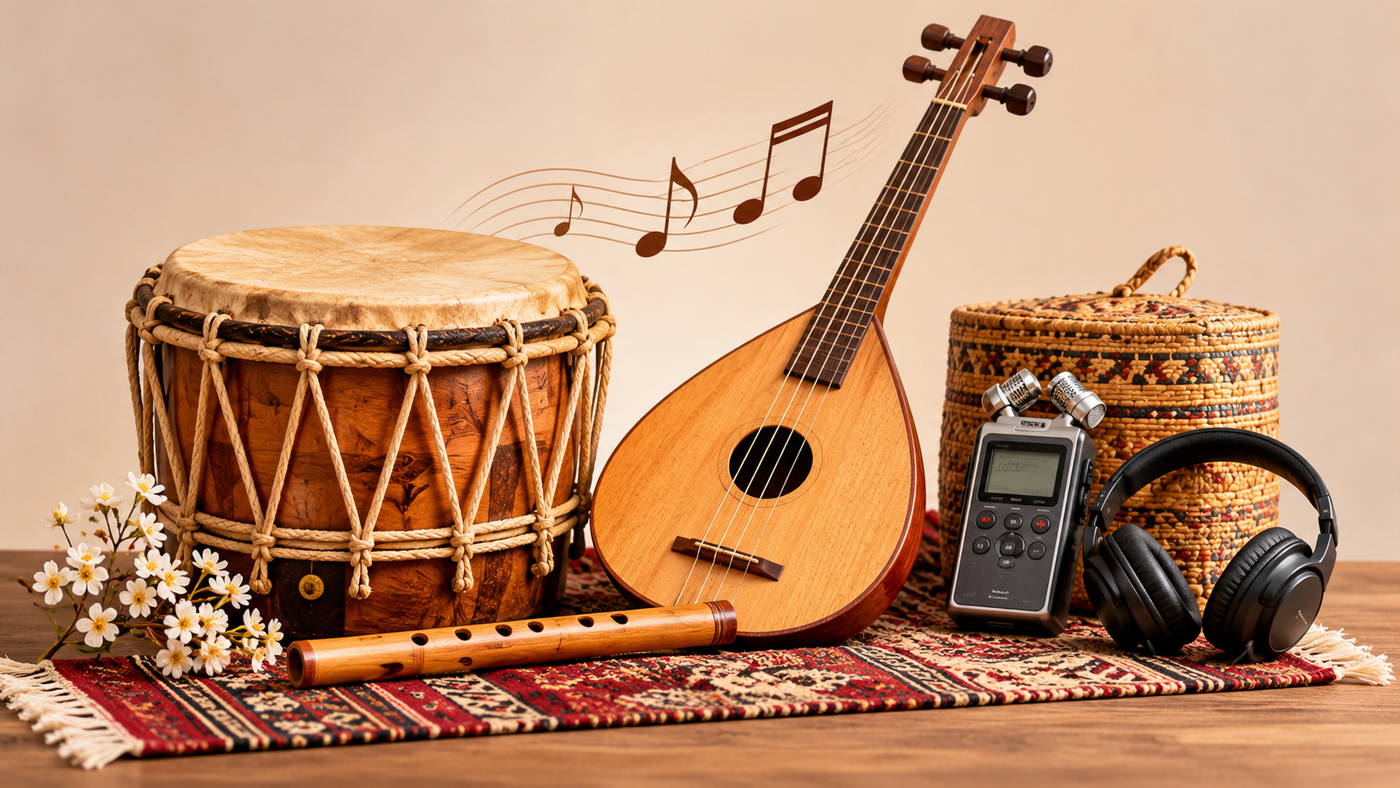
Musical instruments also reflect local creativity and available natural materials. Wooden flutes, stringed instruments, drums, and other traditional instruments demonstrate how communities have developed unique approaches to producing sound.
These musical practices help distinguish one cultural group from another while also revealing connections between different societies.
By preserving traditional music, communities maintain an important part of their cultural identity.
Passing Musical Traditions Through Families
For centuries, musical knowledge was often passed from one generation to another through direct participation.
Parents and grandparents taught children traditional songs, melodies, and rhythms during family gatherings and community celebrations.
Unlike formal classroom instruction, this process frequently involved listening, observing, and repeating musical performances.
Children gradually learned not only the music itself but also the stories and cultural meanings associated with particular songs.
In some communities, traditional musical instruments were made within families, allowing practical craftsmanship to become part of the learning experience.
These informal methods helped preserve musical traditions even when written records were unavailable.
Today, family participation remains an important way of maintaining cultural music, particularly in communities where oral traditions continue to play a central role.
Traditional Music Around the World
The diversity of traditional music reflects the extraordinary variety of human cultures.
In Ireland, traditional folk music features instruments such as fiddles, flutes, and tin whistles, with melodies frequently performed at community gatherings.
West African musical traditions often incorporate complex rhythmic patterns, drums, and instruments such as the kora, a stringed instrument associated with storytelling traditions.
In Japan, instruments including the shamisen and shakuhachi have played important roles in traditional musical performances.
Native American communities maintain diverse musical traditions involving singing, drumming, and ceremonial performances, with practices varying considerably between nations.
Across Latin America, musical traditions combine Indigenous, African, and European influences, producing distinctive regional styles.
Each tradition offers valuable insights into the cultural history of the people who developed it.
Music as a Form of Historical Storytelling
Before modern communication technologies became widely available, music was an important method of preserving and sharing historical knowledge.
Traditional songs frequently recorded important events, described community experiences, and communicated moral lessons.
In some societies, musicians and storytellers held respected positions because of their ability to remember and perform historical narratives.
Songs could preserve information about migration, conflict, family relationships, and significant cultural changes.
Although musical storytelling does not always provide the same kind of historical documentation as written records, it offers valuable perspectives on how communities understood their experiences.
Researchers studying traditional music often examine lyrics, performance styles, and historical context to better understand cultural development.
Through these efforts, music becomes an important resource for exploring the human past.
The Importance of Music in Cultural Celebrations
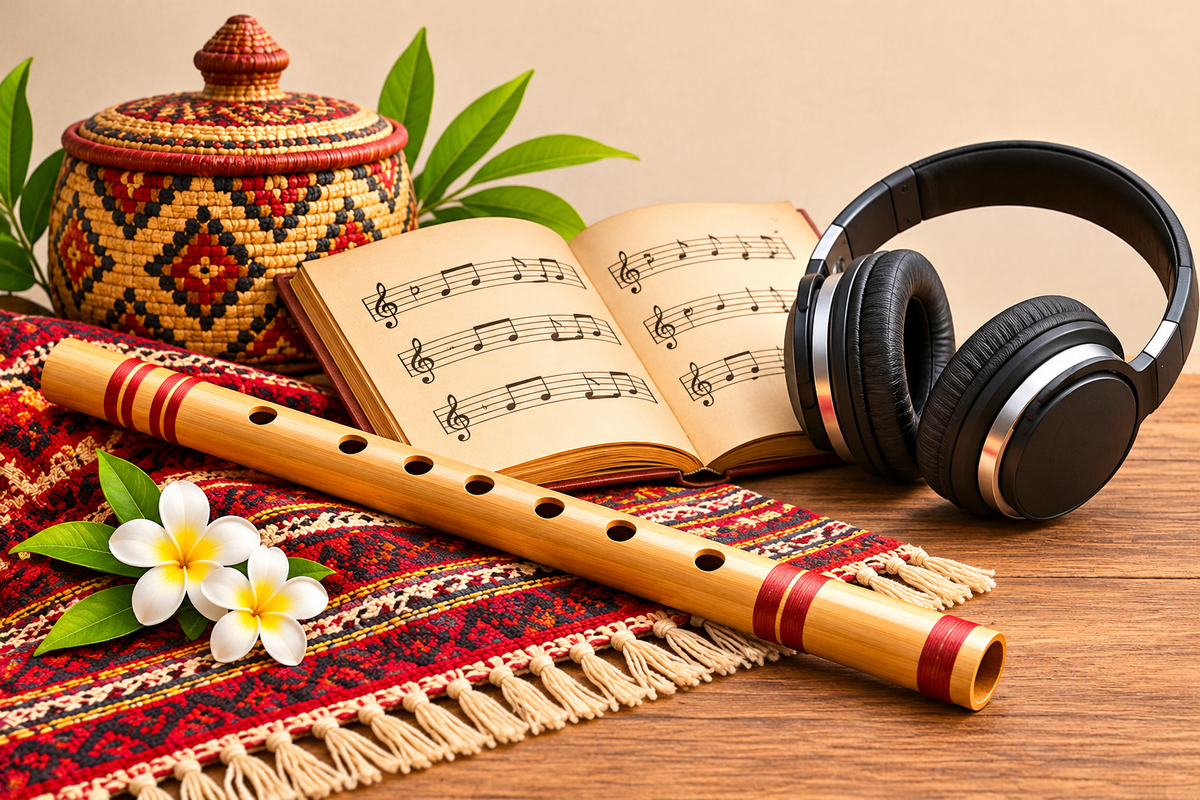
Traditional music remains closely connected to festivals, ceremonies, and community celebrations around the world.
Weddings, harvest festivals, religious gatherings, and national holidays frequently include musical performances that reflect local customs.
These occasions provide opportunities for younger generations to experience traditional music in meaningful social settings.
Participation in singing, dancing, and instrumental performances can strengthen community relationships and encourage a sense of belonging.
Cultural festivals also introduce traditional music to visitors who may be unfamiliar with its history.
By bringing people together through shared musical experiences, these events help ensure that cultural traditions remain active rather than existing only in historical records.
How Technology Is Helping Preserve Traditional Music
Modern recording technology has created new opportunities to document and protect musical traditions.
Digital archives allow researchers and cultural organizations to preserve recordings of traditional songs, instruments, and performances.
Online platforms can make these materials accessible to audiences across different countries.
Music educators may also use video lessons and digital resources to introduce younger students to traditional instruments and performance techniques.
However, recording music is only one part of preservation.
Many traditions involve cultural knowledge, social relationships, and performance practices that cannot be fully captured through audio or video.
For this reason, community participation and direct teaching remain essential.
Connecting Traditional Music With Modern Generations
Younger musicians are increasingly exploring ways to incorporate traditional musical elements into contemporary compositions.
Some combine folk melodies with modern instruments, while others experiment with traditional rhythms within popular musical styles.
These creative approaches can introduce historical traditions to audiences who might not otherwise encounter them.
At the same time, preserving the cultural meaning of traditional music requires sensitivity and respect for the communities from which it originates.
Collaboration between experienced traditional performers and younger artists can support both cultural continuity and artistic innovation.
Such partnerships demonstrate that musical traditions can evolve while maintaining meaningful connections to their origins.
Preserving Musical Heritage for the Future
Traditional music represents an important part of humanity’s shared cultural heritage.
Its melodies, rhythms, instruments, and stories preserve knowledge that has developed across generations.
As societies continue to change, supporting traditional musicians, community celebrations, educational programs, and cultural archives will remain essential.
Music preservation is not simply about protecting sounds from the past. It is about maintaining the relationships, memories, and identities connected to those sounds.
By encouraging younger generations to learn and appreciate traditional music, communities can ensure that their cultural heritage continues to grow.
Ultimately, music reminds us that cultural traditions are living expressions of human experience. Every song passed from one generation to another carries a connection to the past while creating opportunities for the future.
