
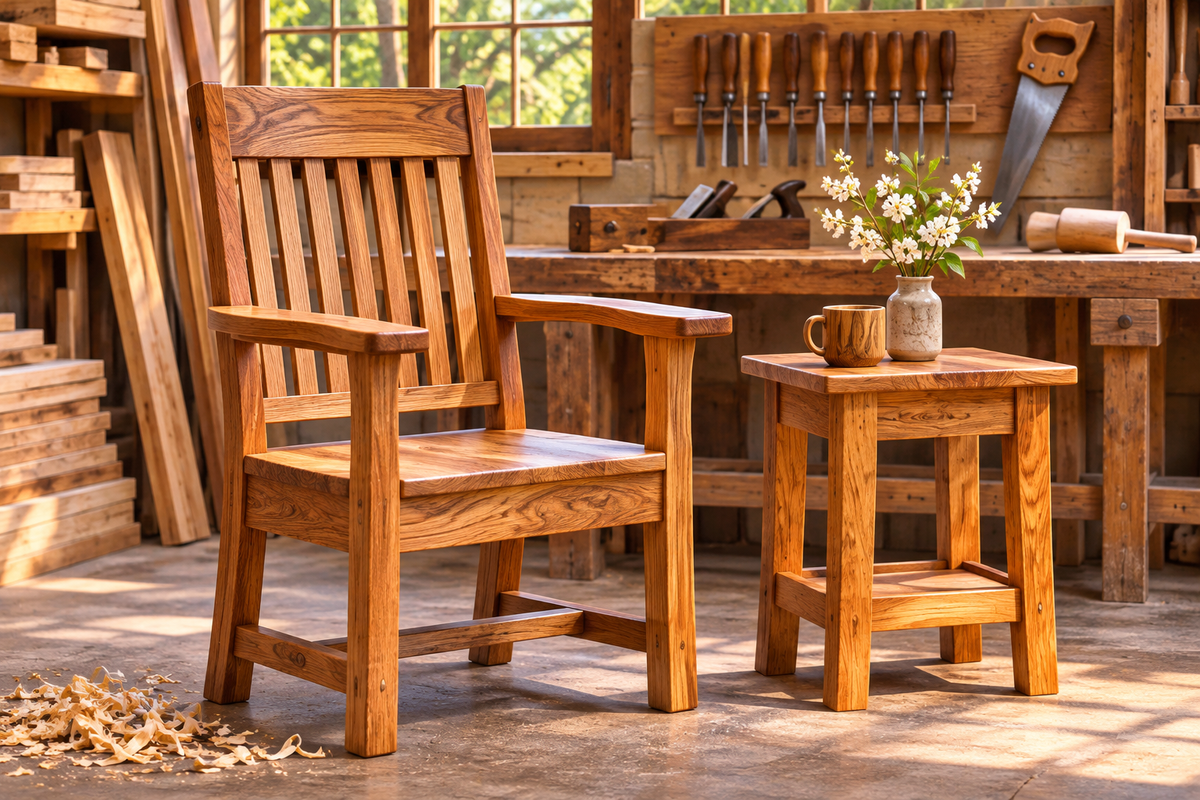
In an age dominated by mass production, automated factories, and inexpensive household products, traditional woodworking is experiencing a renewed appreciation. Handmade furniture, once considered an everyday necessity, is increasingly valued for its craftsmanship, durability, and unique character. From carefully carved wooden chairs to beautifully constructed dining tables, traditional woodworking techniques are finding a place in modern homes and contemporary design.
As consumers become more interested in sustainable materials, personalized interiors, and long-lasting products, skilled woodworkers are rediscovering methods that have been practiced for centuries. This growing appreciation demonstrates how traditional craftsmanship can remain relevant in a world shaped by modern technology.
The History of Traditional Woodworking
Woodworking is one of humanity’s oldest crafts, with evidence of wooden tools and structures dating back thousands of years.
Ancient civilizations developed increasingly sophisticated techniques for shaping wood into furniture, buildings, agricultural tools, and decorative objects.
Egyptian craftsmen created wooden chairs, boxes, and cabinets using carefully designed joints and decorative finishes.
In ancient China and Japan, woodworking traditions developed around precise joinery techniques that allowed wooden structures and furniture to be assembled with limited reliance on metal fasteners.
European furniture makers later established distinctive styles characterized by detailed carving, elegant proportions, and carefully selected materials.
These traditions demonstrate how woodworking evolved through generations of practical experience and artistic expression.
Although industrial manufacturing eventually transformed furniture production, many historical techniques remain important to skilled craftspeople today.
Why Handmade Furniture Is Attracting New Interest
Modern consumers have access to an enormous variety of inexpensive furniture produced through large-scale manufacturing.
While these products offer convenience and affordability, some consumers are increasingly interested in furniture designed for long-term use.
Handmade furniture often appeals to people who appreciate natural materials, distinctive designs, and careful attention to construction details.
Unlike standardized factory products, handcrafted pieces can reflect the individual decisions and creative preferences of their makers.
Differences in wood grain, color, and texture also give each piece its own appearance.
A handmade dining table, for example, may highlight the natural character of a particular hardwood while incorporating traditional joints and carefully finished surfaces.
For many buyers, this connection between material, craftsmanship, and design contributes to the furniture’s appeal.
The Importance of Traditional Joinery Techniques
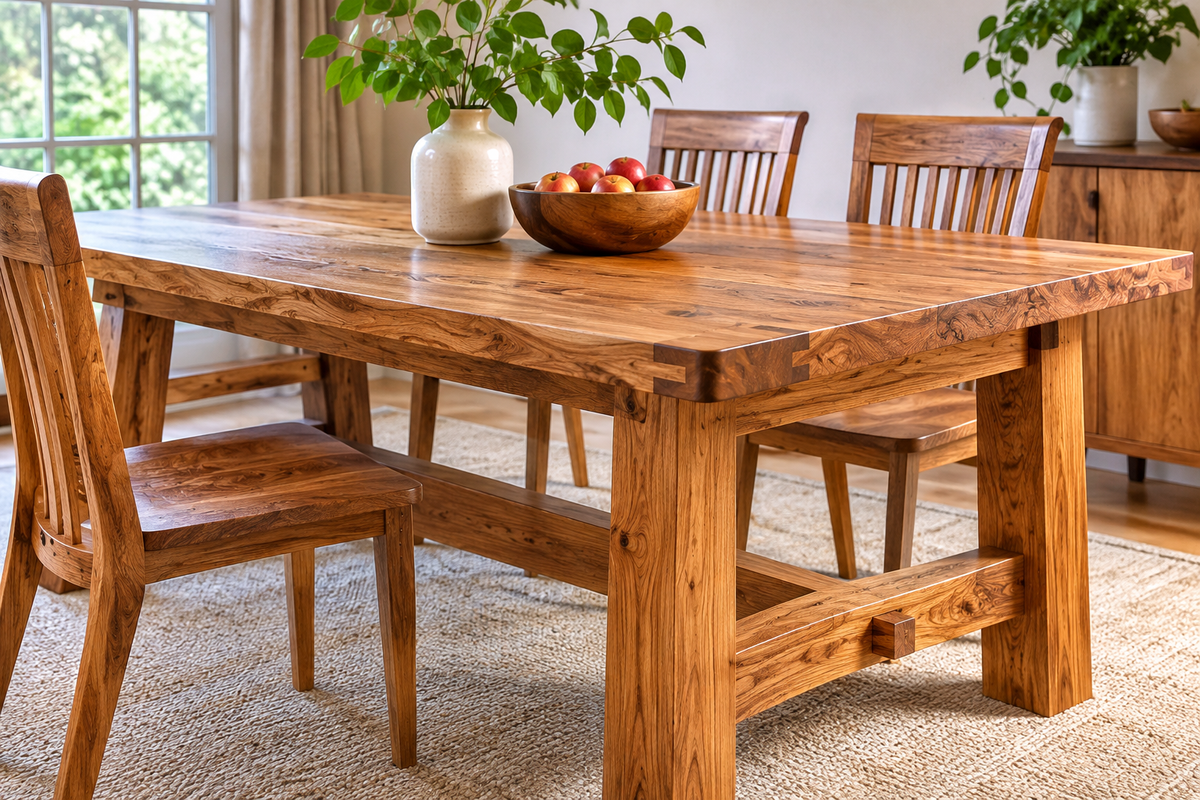
One of the defining characteristics of traditional woodworking is the use of carefully constructed wooden joints.
Before modern adhesives and mechanical fasteners became widely available, craftspeople developed methods for connecting wooden components securely.
Mortise-and-tenon joints, dovetail joints, and other traditional connections remain widely respected for their structural effectiveness.
A mortise-and-tenon joint connects two pieces of wood by inserting a shaped projection into a corresponding opening.
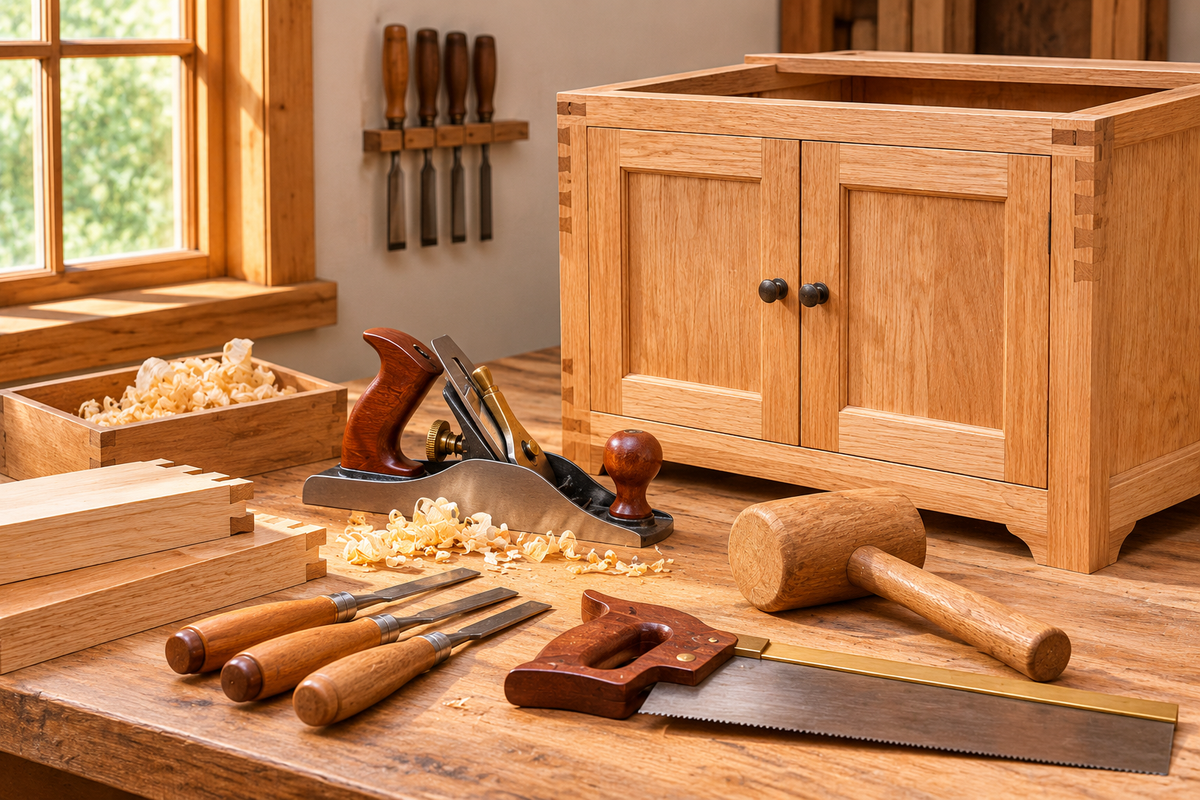
Dovetail joints use interlocking shapes and are commonly associated with drawers and cabinet construction.
These techniques require accurate measurements, careful cutting, and an understanding of how wood responds to environmental changes.
Although modern woodworking equipment can make certain tasks easier, traditional joinery continues to demonstrate the importance of precision and structural design.
Natural Materials and Sustainable Furniture Design
Environmental concerns are contributing to renewed interest in furniture made from responsibly sourced wood.
Wood is a renewable natural material when forests are managed sustainably and harvested with appropriate environmental safeguards.
Long-lasting furniture can also reduce the frequency with which household items need to be replaced.
Some woodworkers use reclaimed timber from old buildings, furniture, and other structures.
Reclaimed wood can provide distinctive textures and colors while allowing usable material to remain in circulation.
Other craftspeople select locally available wood species to reduce transportation requirements and support regional suppliers.
However, handmade production is not automatically environmentally sustainable. Material sourcing, finishes, workshop energy consumption, and product longevity all influence environmental impact.
Responsible woodworking therefore involves considering the entire life cycle of a piece of furniture.
Combining Traditional Craftsmanship With Modern Technology
Although traditional woodworking emphasizes established techniques, many contemporary craftspeople also use advanced technology.
Computer-aided design software allows furniture makers to develop accurate plans before beginning construction.
Computer-controlled cutting equipment can help produce complex components with consistent dimensions.
Modern power tools also reduce the physical effort required for certain woodworking tasks.
However, hand tools remain valuable for detailed shaping, fitting joints, and applying finishing touches.
Many workshops combine traditional hand planes, chisels, and saws with contemporary equipment.
This approach allows woodworkers to benefit from modern efficiency while preserving the skills that distinguish handcrafted furniture.
Technology can therefore support traditional craftsmanship rather than replace it.
The Value of Learning Practical Woodworking Skills
Woodworking offers educational benefits beyond furniture production.
Learning to work with wood requires patience, concentration, problem-solving, and careful planning.
Beginners must understand measurement, material properties, tool safety, and basic construction methods.
As their skills develop, they can explore more advanced techniques involving joinery, carving, and furniture design.
Community workshops, vocational schools, and independent training programs provide opportunities to learn these skills.
Online educational resources have also made woodworking knowledge more accessible.
However, practical experience remains essential because working with natural materials involves decisions that cannot always be learned through observation alone.
For many hobbyists, woodworking provides a satisfying opportunity to create useful objects through personal effort.
Handmade Furniture in Contemporary Interior Design
Traditional woodworking is increasingly visible in modern interior design.
Natural wooden furniture can complement minimalist, Scandinavian, rustic, and contemporary interior styles.
Simple furniture designs often emphasize the appearance of the wood itself rather than elaborate decoration.
A carefully constructed oak table, walnut bookshelf, or wooden bench can introduce warmth and texture into a modern living space.
Custom furniture also allows homeowners to choose dimensions, materials, and finishes suited to their individual needs.
This flexibility is particularly useful in homes where standard furniture sizes may not fit available spaces.
By combining traditional craftsmanship with contemporary aesthetics, furniture makers can create pieces that feel both familiar and modern.
Challenges Facing Traditional Woodworkers
Despite renewed appreciation for handmade furniture, traditional woodworking faces several challenges.
Producing furniture by hand can require substantial time, specialized equipment, and extensive training.
These factors often make handcrafted products more expensive than mass-produced alternatives.
Independent furniture makers may also face difficulties obtaining quality materials, reaching customers, and competing with large retailers.
Another concern is the preservation of specialized skills.
Some traditional techniques require years of practice, making apprenticeship and practical education particularly important.
Supporting craft schools, local workshops, and experienced artisans can help ensure that valuable woodworking knowledge continues to be passed between generations.
Preserving Craftsmanship for Future Generations
The renewed interest in traditional woodworking reflects a broader appreciation for quality, creativity, and the value of skilled manual work.
Handmade furniture connects practical design with cultural traditions that have developed over centuries.
As technology continues to transform manufacturing, traditional woodworkers demonstrate that historical knowledge can remain useful in contemporary society.
Their work also encourages consumers to consider how products are made, what materials they contain, and how long they may remain useful.
By supporting responsible material sourcing, practical education, and thoughtful furniture design, communities can help preserve woodworking traditions.
Ultimately, traditional woodworking reminds us that furniture can be more than a functional household object. It can represent human skill, cultural heritage, and a lasting connection between natural materials and everyday life.
