
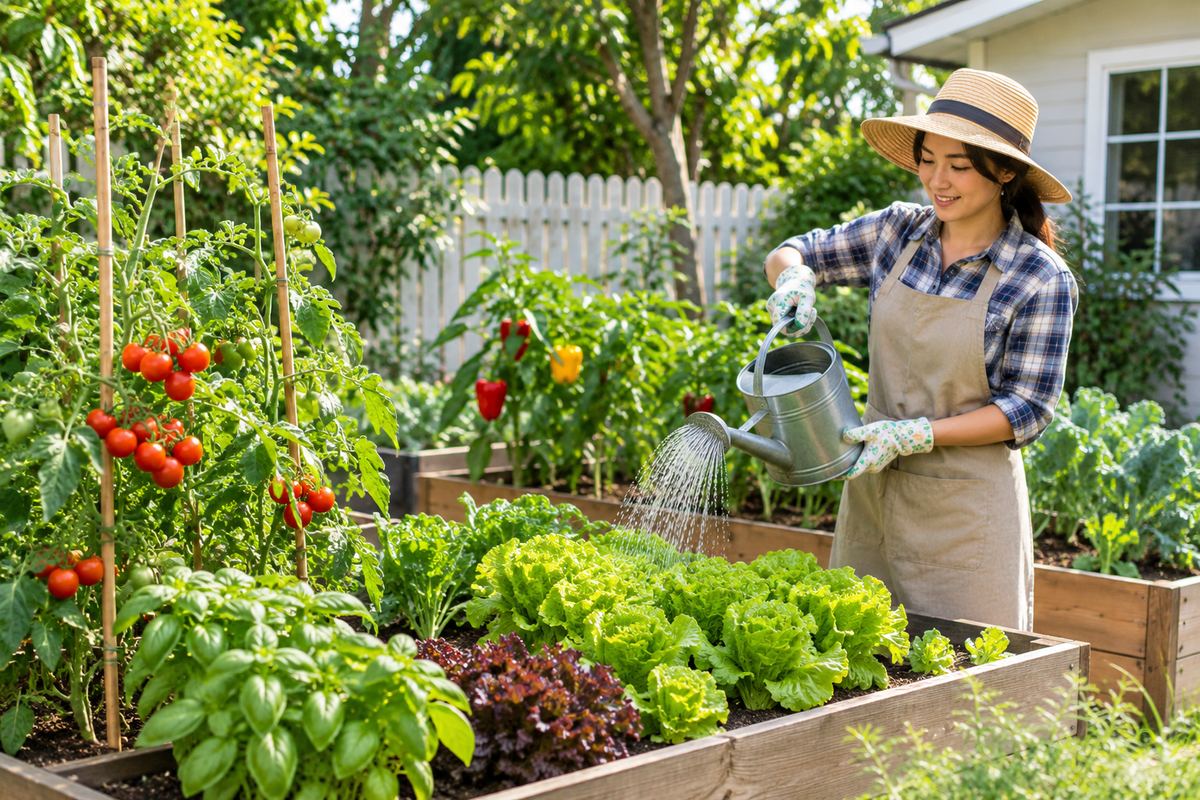
Growing food at home is a tradition that has existed for thousands of years, but it is gaining renewed attention in modern society. From small vegetable gardens in suburban backyards to herbs growing on apartment balconies, people are exploring practical ways to produce some of their own food. This growing interest reflects a desire for fresher ingredients, healthier lifestyles, environmental awareness, and a stronger connection with nature.
Although supermarkets provide convenient access to a wide variety of products, home gardening offers experiences that extend beyond simply obtaining vegetables and fruits. It encourages people to understand where food comes from, develop practical skills, and appreciate the natural processes involved in producing everyday meals.
The Return of Home Gardening
For much of human history, growing food was an essential part of everyday life.
Families cultivated vegetables, fruits, and herbs to supplement their diets and maintain a reliable food supply.
As cities expanded and commercial agriculture developed, many households became increasingly dependent on supermarkets and grocery stores.
However, interest in home gardening has continued to evolve.
Today, people grow food for various reasons, including recreation, education, environmental responsibility, and personal satisfaction.
Modern gardening techniques also make cultivation possible in locations with limited outdoor space.
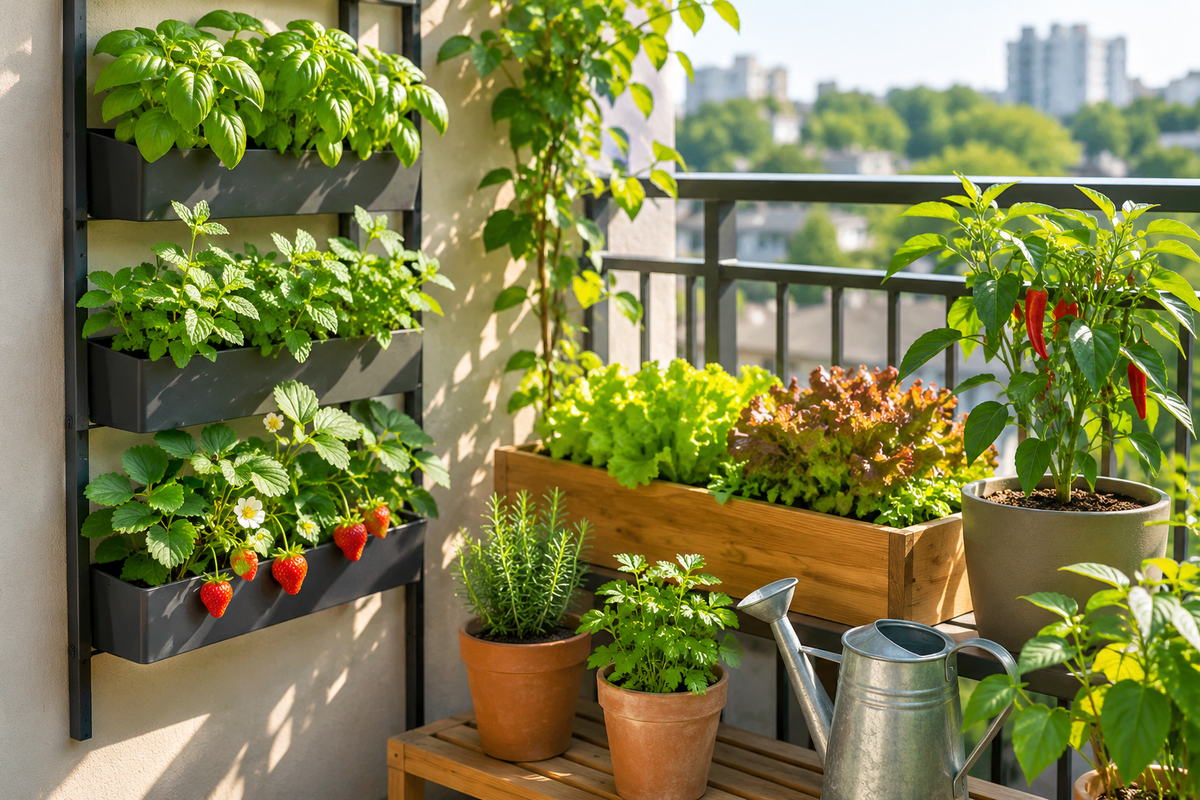
Raised garden beds, containers, vertical planters, and indoor growing systems allow individuals to cultivate selected crops in backyards, patios, and apartments.
These approaches demonstrate that food gardening is no longer limited to households with large amounts of land.
Enjoying Fresh and Seasonal Produce
One of the most appealing benefits of growing food at home is access to freshly harvested produce.
Vegetables and herbs can often be picked shortly before preparation, allowing households to enjoy ingredients at their preferred stage of ripeness.
Tomatoes, lettuce, spinach, peppers, and culinary herbs are among the crops commonly grown in home gardens.
Freshly harvested produce can offer desirable flavor and texture, particularly when plants are cultivated under suitable conditions.
Home gardeners can also experiment with varieties that may not be widely available in local supermarkets.
For example, certain heirloom tomatoes, unusual herbs, and regional vegetable varieties can introduce new flavors into everyday cooking.
Seasonal gardening encourages households to plan meals around crops that grow naturally during different times of the year.
Understanding Where Food Comes From
Growing food provides an opportunity to learn about the agricultural processes behind everyday ingredients.
Many people purchase fruits and vegetables without considering the time, resources, and environmental conditions required to produce them.
Home gardening introduces these processes through direct experience.
Gardeners learn how seeds germinate, how roots absorb water and nutrients, and how sunlight supports plant growth.
They also discover the importance of healthy soil, suitable temperatures, pollination, and careful watering.
These experiences can create greater appreciation for farmers and the agricultural systems that supply food to communities.
For children, gardening provides practical educational opportunities involving biology, environmental science, and responsibility.
Observing a plant develop from a seed into a productive crop can make scientific concepts easier to understand.
Supporting Physical and Mental Well-Being
Gardening involves activities that can contribute to physical movement and outdoor recreation.
Preparing soil, planting seeds, watering crops, and maintaining garden beds require different levels of physical effort.
Regular gardening may encourage individuals to spend more time outdoors and participate in light or moderate physical activity.
The experience can also support relaxation and psychological well-being.
Many people find satisfaction in caring for plants and observing gradual changes throughout the growing season.
Gardening provides opportunities to focus on practical tasks while temporarily reducing attention to electronic devices and everyday distractions.
Research has explored associations between gardening and improvements in mood, stress, and overall well-being.
Although gardening is not a substitute for medical treatment or professional healthcare, it can form part of a balanced and enjoyable lifestyle.
Reducing Household Food Waste
Home gardening can encourage more thoughtful approaches to food consumption.
People who grow their own vegetables may become more aware of the resources required to produce them.
This awareness can support efforts to reduce unnecessary food waste.
Gardeners can harvest certain crops gradually, selecting only the amount needed for immediate meals.
Herbs such as basil, parsley, and mint can often be harvested repeatedly during suitable growing conditions.
Excess vegetables may be preserved, shared with neighbors, or incorporated into different recipes.
Composting also provides a practical way to recycle suitable kitchen scraps and garden waste.
When managed correctly, compost can return organic matter and useful nutrients to garden soil.
These practices help create a more connected relationship between food production, preparation, and waste management.
The Environmental Benefits of Small Gardens
Home gardens can contribute to environmental sustainability when they are managed responsibly.
Growing selected crops locally may reduce some packaging and transportation requirements associated with commercially distributed produce.
Gardens containing diverse plants can also provide habitats for beneficial insects and pollinators.
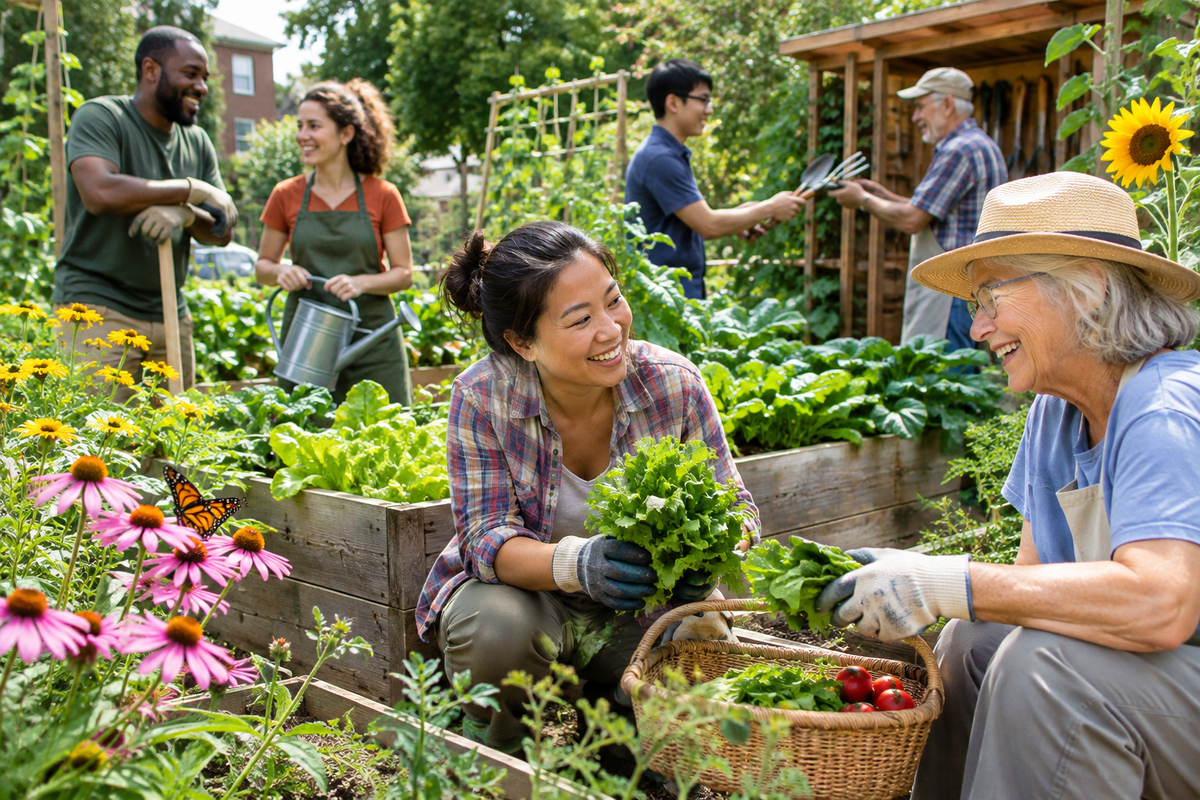
Flowers planted alongside vegetables may attract bees, butterflies, and other organisms that support healthy ecosystems.
Using compost, collecting rainwater where appropriate, and applying mulch can improve resource efficiency.
However, the environmental benefits of home gardening depend on factors such as water consumption, fertilizer use, gardening materials, and local growing conditions.
Sustainable gardening therefore requires thoughtful decisions about plant selection and maintenance.
Growing Food in Small Urban Spaces
Limited outdoor space does not necessarily prevent people from growing edible plants.
Container gardening allows vegetables and herbs to grow in pots, planters, and other suitable containers.
Balconies and patios can support crops such as lettuce, chili peppers, strawberries, and various culinary herbs.
Vertical gardening systems make use of walls and upright structures to increase planting space.
Indoor gardening can also be possible with appropriate lighting and environmental conditions.
However, successful cultivation depends on providing sufficient sunlight or artificial lighting, suitable drainage, and adequate nutrients.
Choosing crops that match available space and local conditions is especially important for beginners.
Small gardens may not produce enough food to replace regular grocery shopping, but they can provide useful ingredients and valuable learning experiences.
Building Community Connections Through Gardening
Gardening can also encourage cooperation between neighbors and community members.
Community gardens provide shared spaces where residents can cultivate plants, exchange knowledge, and participate in collective activities.
These projects are particularly valuable in urban neighborhoods where private gardening space may be limited.
Participants can share tools, seeds, and practical experience while developing relationships with people from different backgrounds.
Some community gardens also organize educational workshops and activities for children.
These shared experiences demonstrate how food cultivation can strengthen local connections while supporting environmental education.
Creating a Lasting Connection With Nature
The renewed interest in growing food reflects a broader appreciation for practical skills, natural processes, and sustainable living.
Home gardening encourages patience because successful harvests require attention, consistency, and adaptation to changing conditions.
Not every seed will germinate, and not every growing season will produce the expected results.
However, these challenges provide opportunities to learn about soil, weather, plant health, and ecological relationships.
For many gardeners, the greatest reward is not the quantity of food produced but the experience of participating directly in its growth.
Ultimately, growing food at home offers more than fresh vegetables and herbs.
It creates opportunities for education, recreation, environmental awareness, and community connection.
Whether someone cultivates a large backyard garden or a few small containers on a balcony, the experience can encourage a deeper appreciation for the natural systems that support everyday life.
As modern lifestyles continue to evolve, the simple practice of planting seeds and caring for growing crops remains a meaningful way to reconnect with nature and understand the value of the food we eat.
