
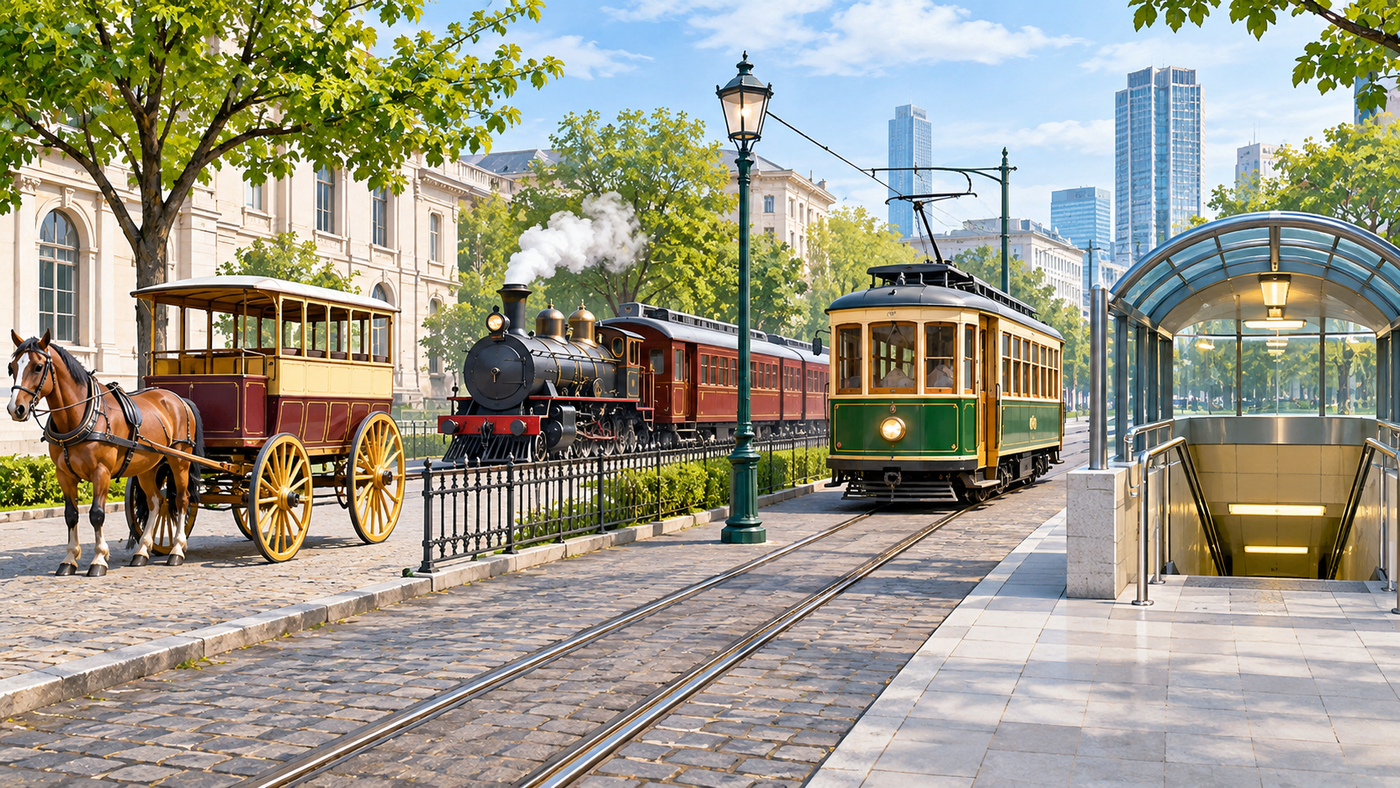
Public transportation has played a fundamental role in shaping cities for centuries. From horse-drawn carriages traveling through narrow streets to modern electric trains connecting metropolitan regions, transportation systems have continuously influenced how people live, work, and interact. As urban populations expanded, the need for reliable and affordable transportation encouraged new technologies and innovative approaches to city planning.
Today, buses, subways, trams, and commuter rail networks serve millions of passengers around the world. Understanding the history of these systems reveals how transportation has influenced urban development and why public transit remains essential to creating accessible and sustainable cities.
The Early Origins of Public Transportation
Before the development of modern transportation networks, most people traveled through cities on foot or relied on horses and carriages.
As urban populations grew, organized transportation services gradually emerged to accommodate increasing travel demands.
During the seventeenth century, Paris experimented with an early form of scheduled public carriage service. Although this system operated for only a limited period, it demonstrated the potential benefits of organized urban transportation.
By the nineteenth century, horse-drawn omnibuses had become common in several European and American cities.
These vehicles followed established routes and allowed passengers to travel together for a fare.
The introduction of shared transportation made urban travel more accessible to people who could not afford private carriages.
These early services established important principles that continue to define public transportation, including scheduled routes, shared vehicles, and passenger fares.
The Rise of Horse-Drawn Streetcars
As industrialization transformed cities during the nineteenth century, transportation systems needed to accommodate larger numbers of workers and residents.
Horse-drawn streetcars became an important development.
Unlike traditional omnibuses, streetcars traveled along tracks installed in city streets.
The tracks reduced rolling resistance, allowing horses to pull heavier vehicles carrying more passengers.
Streetcar networks expanded across growing urban centers, connecting residential neighborhoods with commercial districts and industrial workplaces.
These systems influenced where people chose to live because transportation made it possible to travel farther between home and work.
However, horse-drawn transportation required extensive maintenance, large numbers of animals, and significant operating expenses.
These limitations encouraged engineers to explore mechanical alternatives.
Steam Railways and the Expansion of Cities
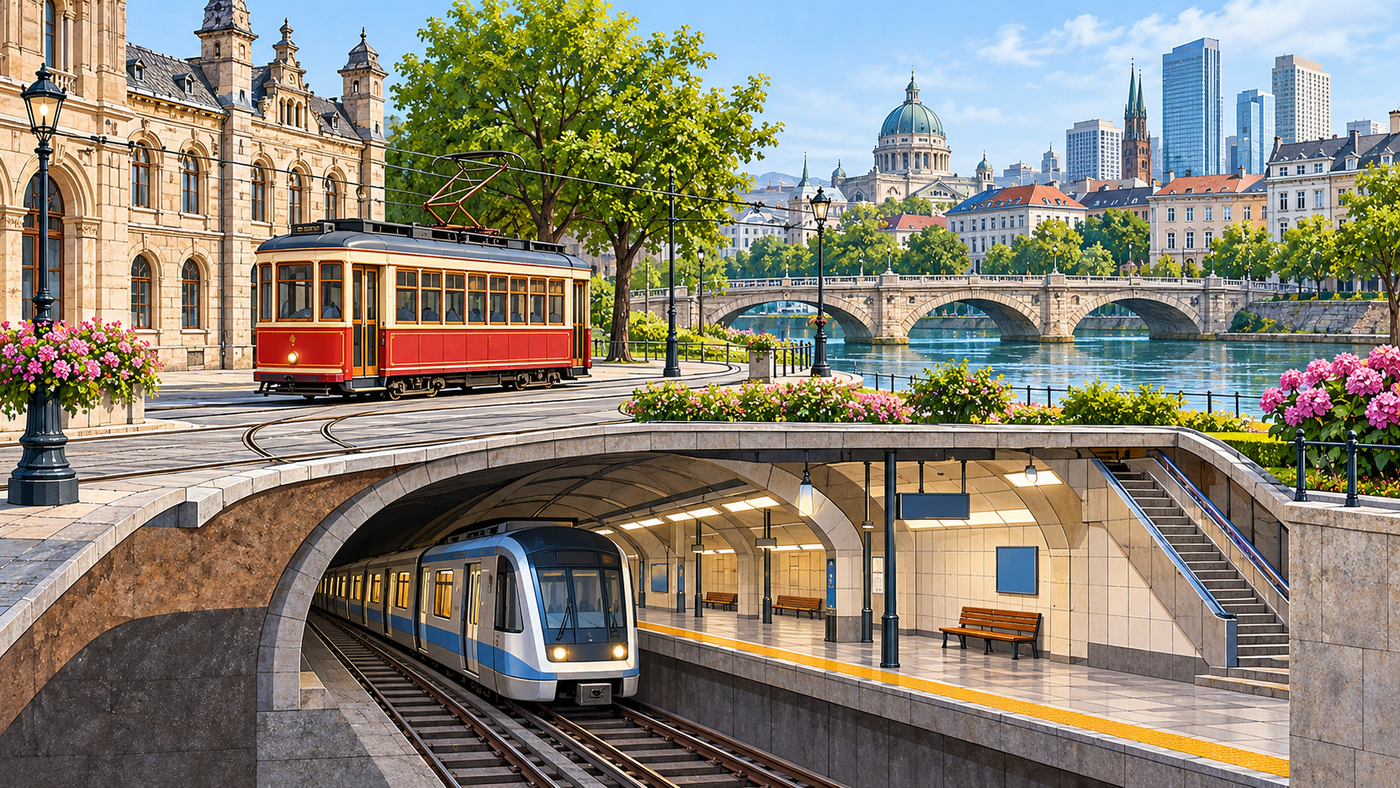
The development of steam-powered railways during the nineteenth century transformed transportation across countries and continents.
Railroads allowed passengers and goods to travel greater distances at speeds that were previously difficult to achieve.
As railway networks expanded, cities became increasingly connected to surrounding towns and regions.
Railway stations often developed into important commercial centers, attracting businesses, hotels, markets, and residential development.
Commuter rail services also allowed workers to live farther from central employment districts.
This contributed to the expansion of suburban communities around major cities.
Rail transportation therefore influenced not only mobility but also patterns of population growth, economic activity, and land development.
Its impact remains visible in many modern metropolitan regions.
The Development of Underground Railways
As cities became more crowded, transportation planners began searching for alternatives to increasingly congested streets.
One important solution was to construct railway systems underground.
London opened the world’s first underground passenger railway in 1863.
Initially operated using steam locomotives, the Metropolitan Railway introduced a new approach to moving large numbers of passengers through a densely populated city.
Other cities gradually developed their own underground transportation networks.
Electric traction later made underground railways more practical by reducing the smoke and ventilation problems associated with steam engines.
Subway systems expanded during the late nineteenth and twentieth centuries, becoming essential parts of transportation infrastructure in cities such as Paris, New York, and Tokyo.
Today, underground railways provide efficient transportation in many of the world’s largest metropolitan areas.
Electric Trams and Urban Mobility
The introduction of electric streetcars represented another significant improvement in public transportation.
Electric trams offered advantages over horse-drawn vehicles, including greater passenger capacity, more consistent performance, and reduced dependence on animal labor.
During the late nineteenth century, electric tram systems spread through cities in Europe, North America, and other regions.
These networks made transportation more convenient and helped support the development of neighborhoods beyond traditional city centers.
Trams also influenced street design, encouraging the construction of dedicated tracks, stations, and electrical infrastructure.
Although many cities later replaced tram networks with buses and automobiles, others maintained or modernized their systems.
In recent decades, renewed interest in light rail has demonstrated the continuing relevance of electric urban transportation.
The Automobile Age and Changes in Public Transit
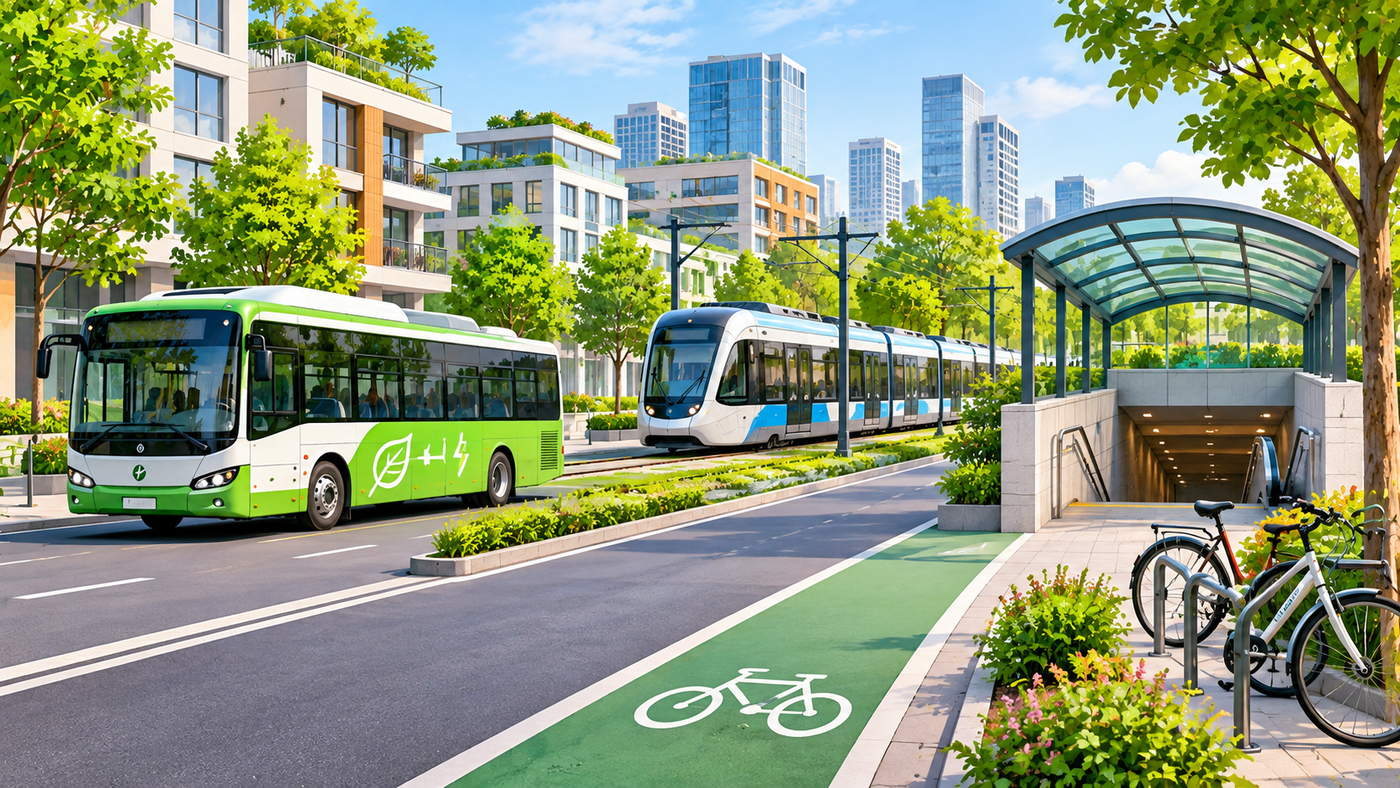
The twentieth century brought enormous changes as private automobiles became more affordable and widely available.
Cities increasingly developed roads, highways, and parking infrastructure to accommodate growing numbers of cars.
In some regions, public transportation systems experienced declining passenger numbers as residents shifted toward private vehicles.
Suburban development also created challenges for transit operators because lower-density neighborhoods were often more difficult to serve efficiently.
However, automobiles introduced their own problems, including traffic congestion, air pollution, and extensive land requirements.
These challenges encouraged renewed consideration of public transportation as an important component of urban planning.
Many cities continued investing in buses, subways, and commuter rail systems to provide alternatives to private vehicle travel.
Modern Transportation and Technological Innovation
Public transportation has changed considerably through technological development.
Modern trains often use advanced signaling systems, automated operations, and energy-efficient electric propulsion.
Buses increasingly incorporate technologies designed to improve accessibility, passenger comfort, and environmental performance.
Digital ticketing systems allow passengers to pay fares using electronic cards or mobile devices.
Real-time information platforms help travelers monitor vehicle arrivals and plan journeys more efficiently.
Some metropolitan transportation networks also integrate buses, trains, and other services through coordinated schedules and payment systems.
These improvements make public transportation more convenient while helping operators manage complex urban networks.
The Environmental Benefits of Public Transportation
Transportation is an important source of greenhouse gas emissions, particularly where travel depends heavily on fossil fuels.
Well-utilized public transportation systems can reduce energy consumption and emissions per passenger compared with widespread dependence on private automobiles.
Electric railways and buses powered by lower-carbon electricity can offer additional environmental benefits.
Public transportation also supports more compact urban development by reducing the need for extensive parking facilities.
However, environmental performance depends on factors such as passenger numbers, vehicle efficiency, energy sources, and service design.
Effective transportation planning therefore considers both technology and the broader organization of urban communities.
The Future of Public Transportation
As cities continue to expand, public transportation will remain central to discussions about sustainable urban development.
Electric buses, automated trains, improved cycling connections, and integrated mobility platforms are among the innovations influencing future transportation systems.
Urban planners are also exploring ways to make public transit more accessible to people with disabilities, older residents, and communities with limited transportation options.
Reliable service, affordable fares, and convenient connections will remain important factors in encouraging public transportation use.
Investment in well-designed networks can help cities reduce congestion, improve mobility, and support economic development.
Connecting the Past With the Cities of Tomorrow
The history of public transportation demonstrates how technological innovation and urban development have influenced one another.
From horse-drawn omnibuses and early railways to electric trams and modern subway networks, each generation has introduced new approaches to moving people efficiently.
These transportation systems have shaped neighborhoods, supported businesses, and influenced the growth of metropolitan regions.
As modern cities face increasing environmental and infrastructure challenges, lessons from transportation history remain valuable.
Ultimately, public transportation represents more than a collection of vehicles and routes. It is an essential part of urban life, connecting communities and creating opportunities for people to participate in education, employment, and social activities.
Its continued development will help determine how accessible, efficient, and sustainable the cities of the future become.
